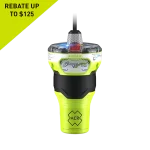
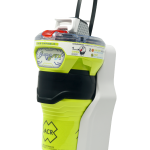
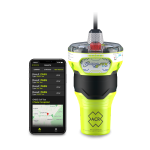
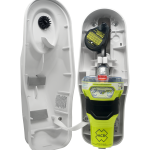
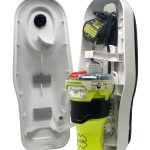
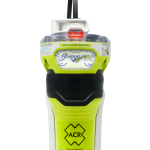
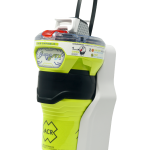
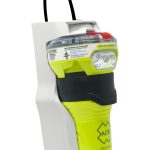
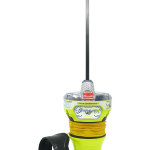
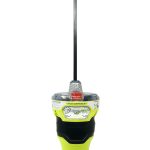
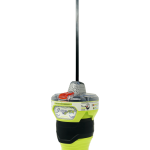
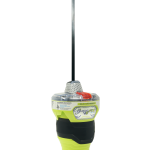
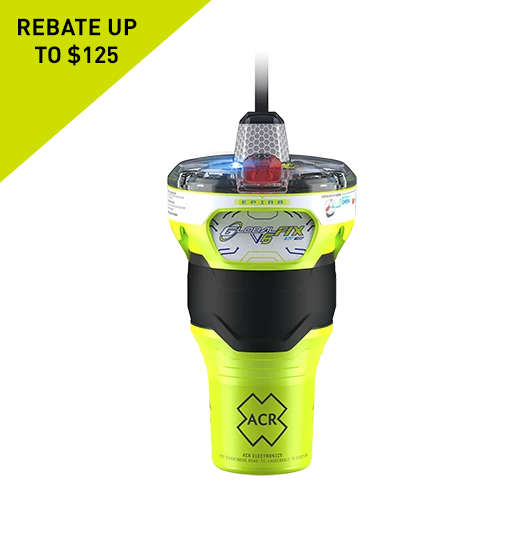
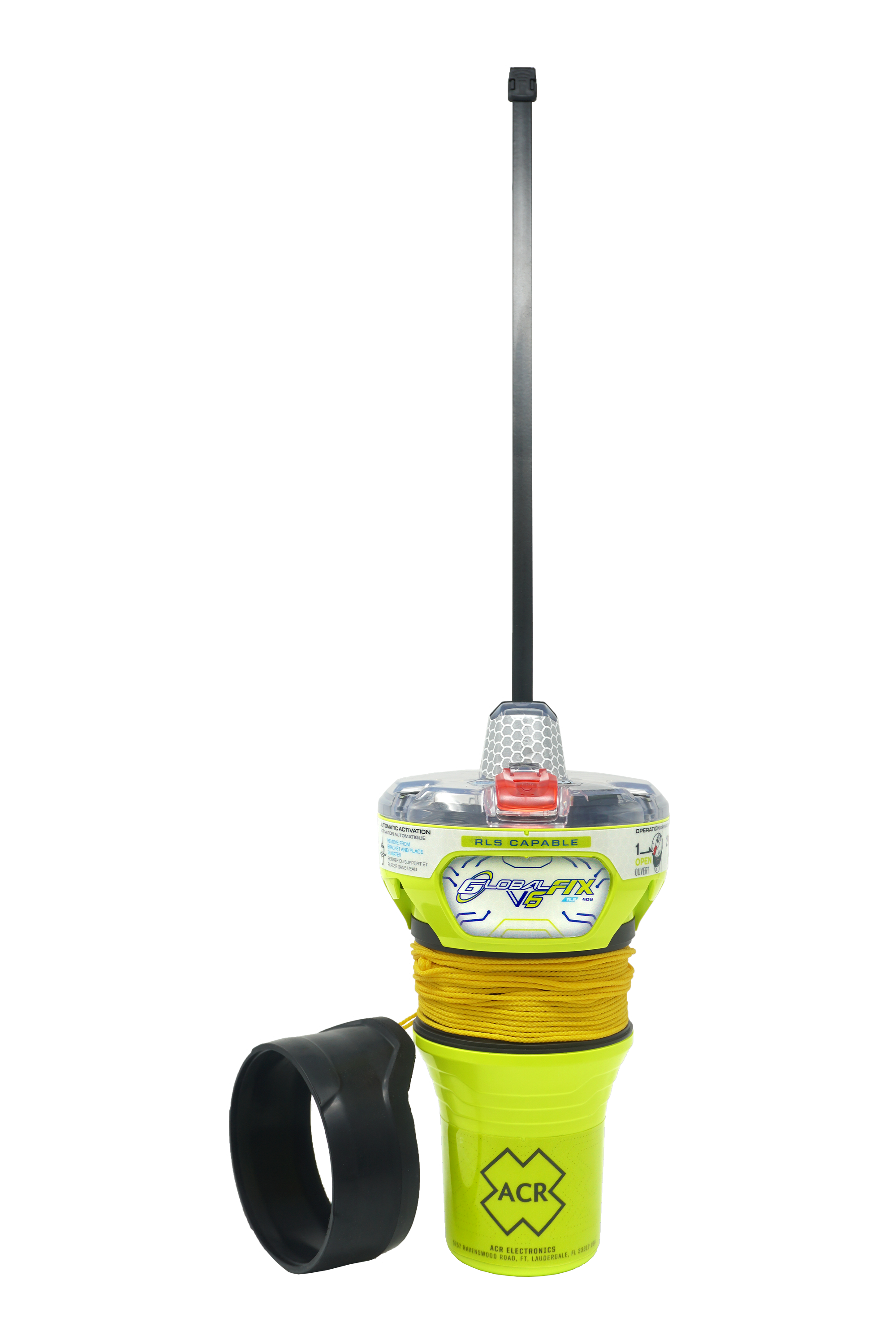
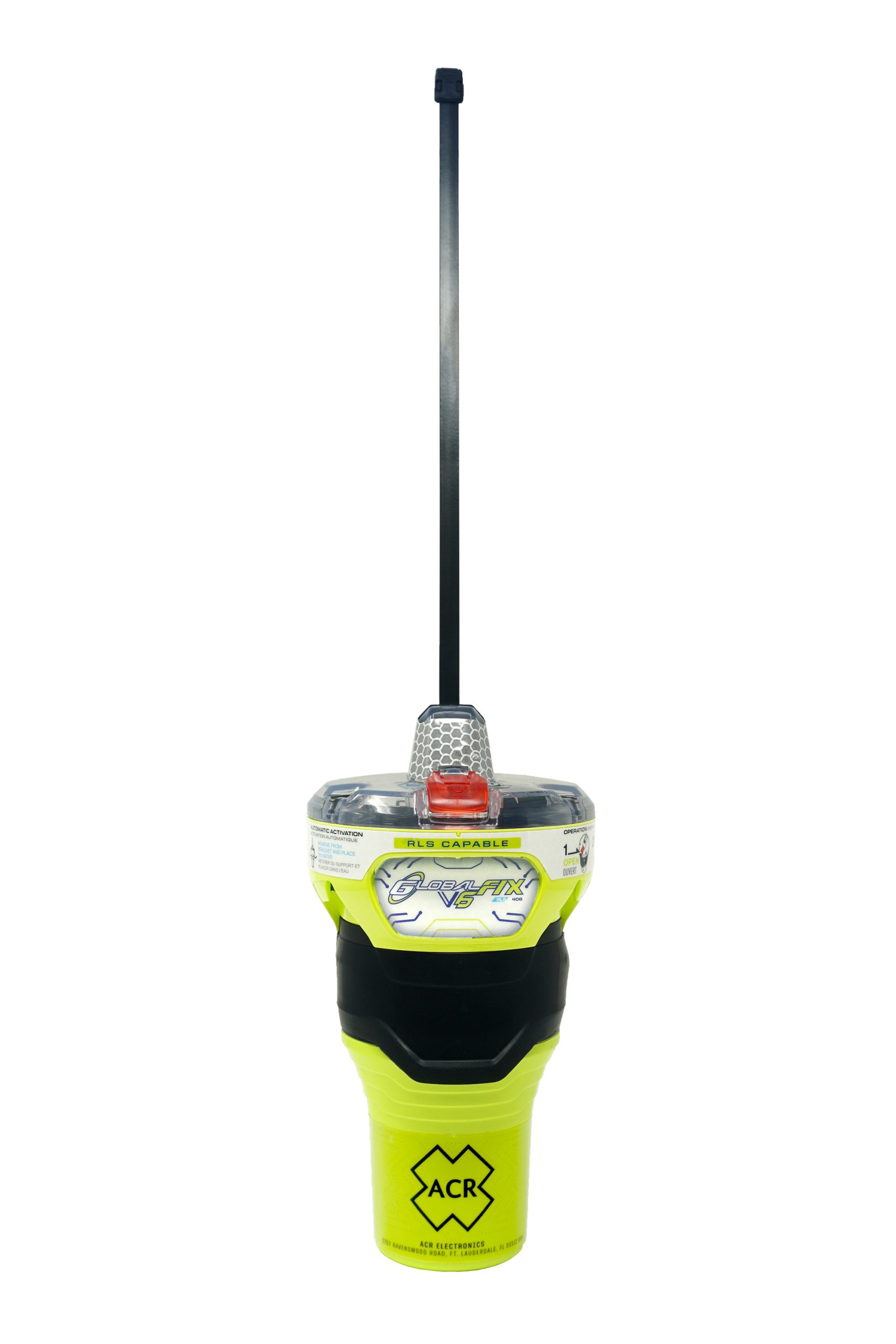
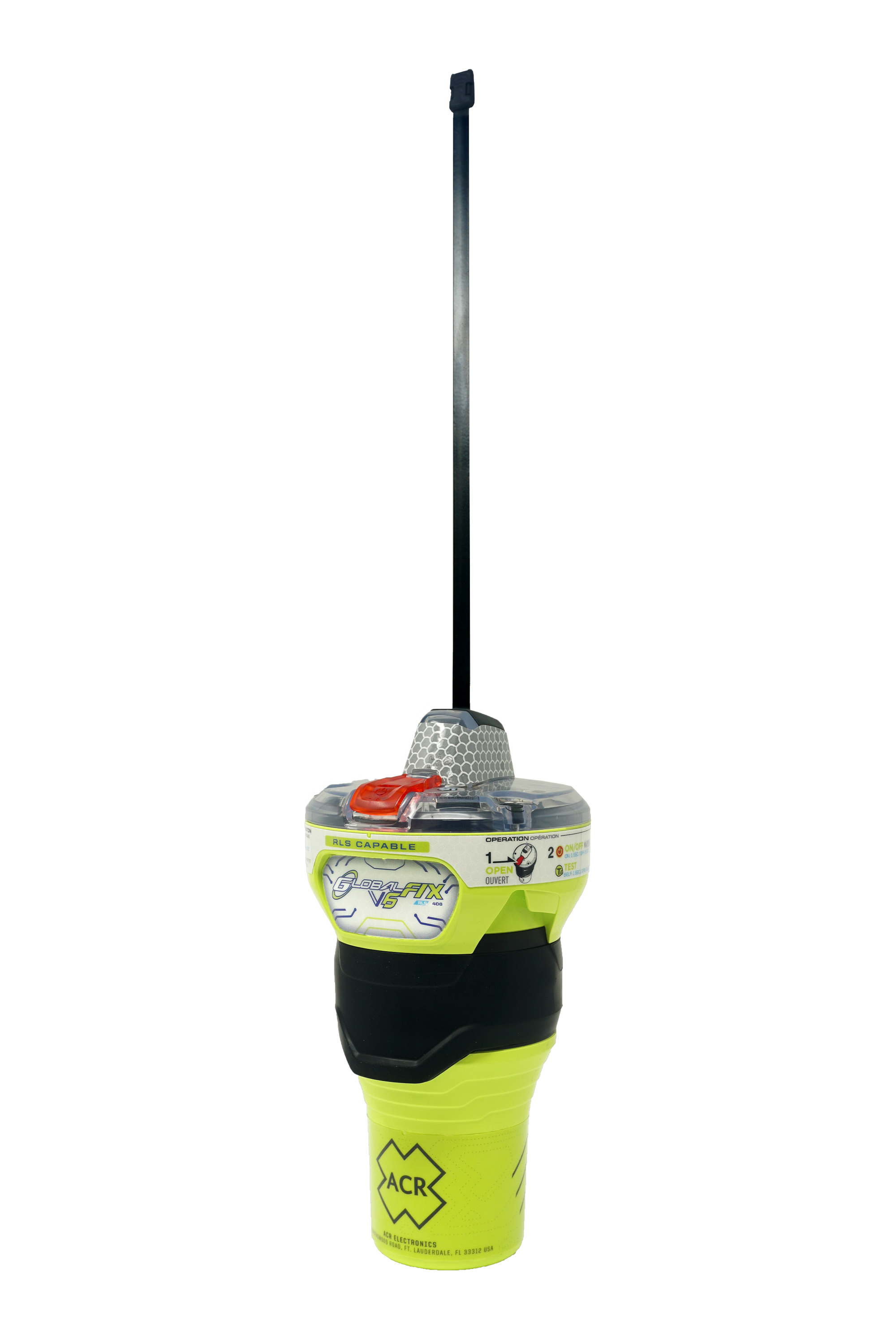
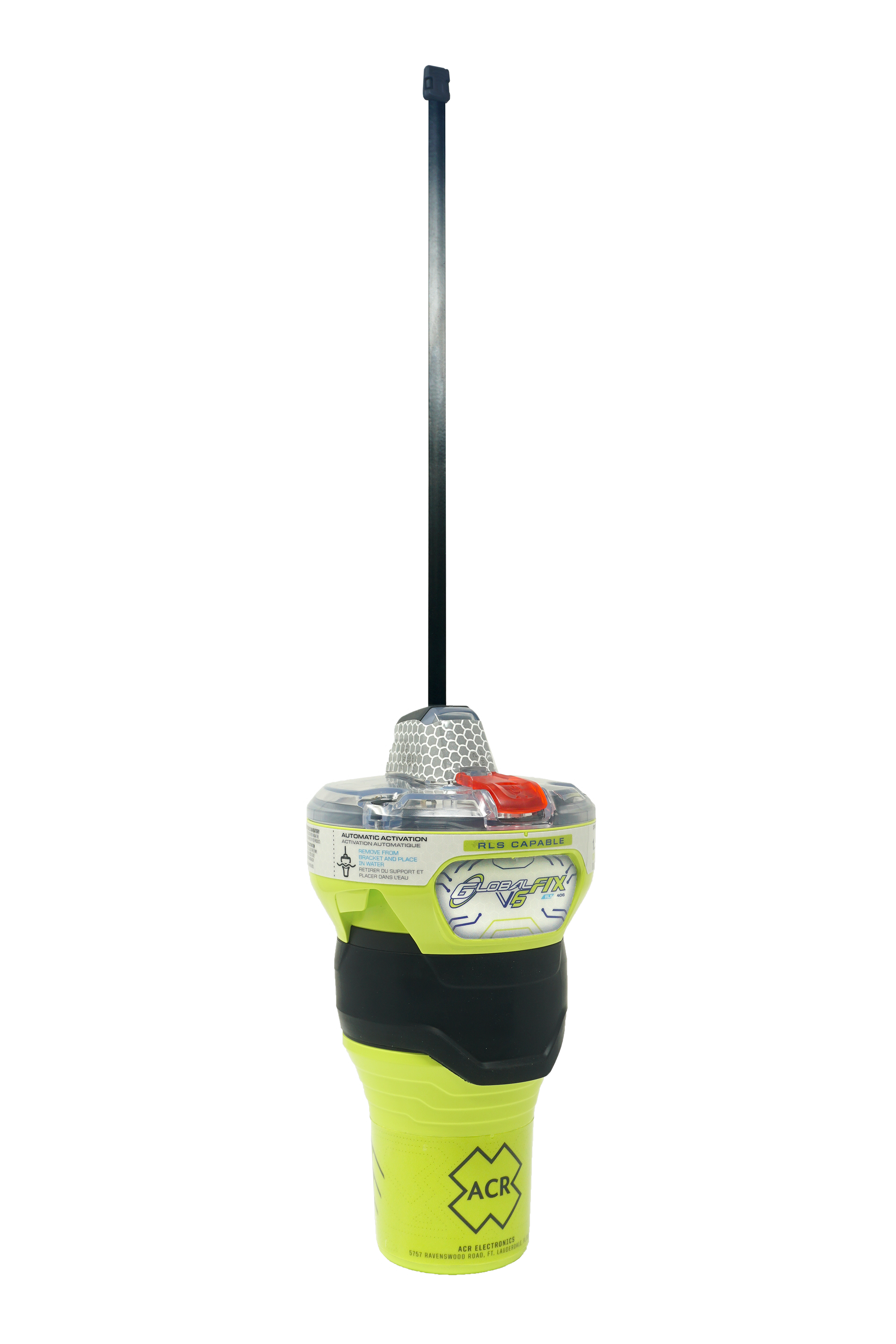



ACR GlobalFix V6 EPIRB with Return Link Service and Mobile App

Home

/

Marine

/

ACR GlobalFix V6 EPIRB with Return Link Service and Mobile App

ACR GlobalFix V6 EPIRB with Return Link Service and Mobile App

Price range: 🇺🇸$744.95 through 🇺🇸$854.95

4.5/5164 customer reviews

Your boat’s direct link to global rescue services. The GlobalFix V6 EPIRB sends your distress alert and location via satellite.

  • 406 MHz satellite alerting + 121.5 MHz homing
  • RLS confirmation that your alert was received
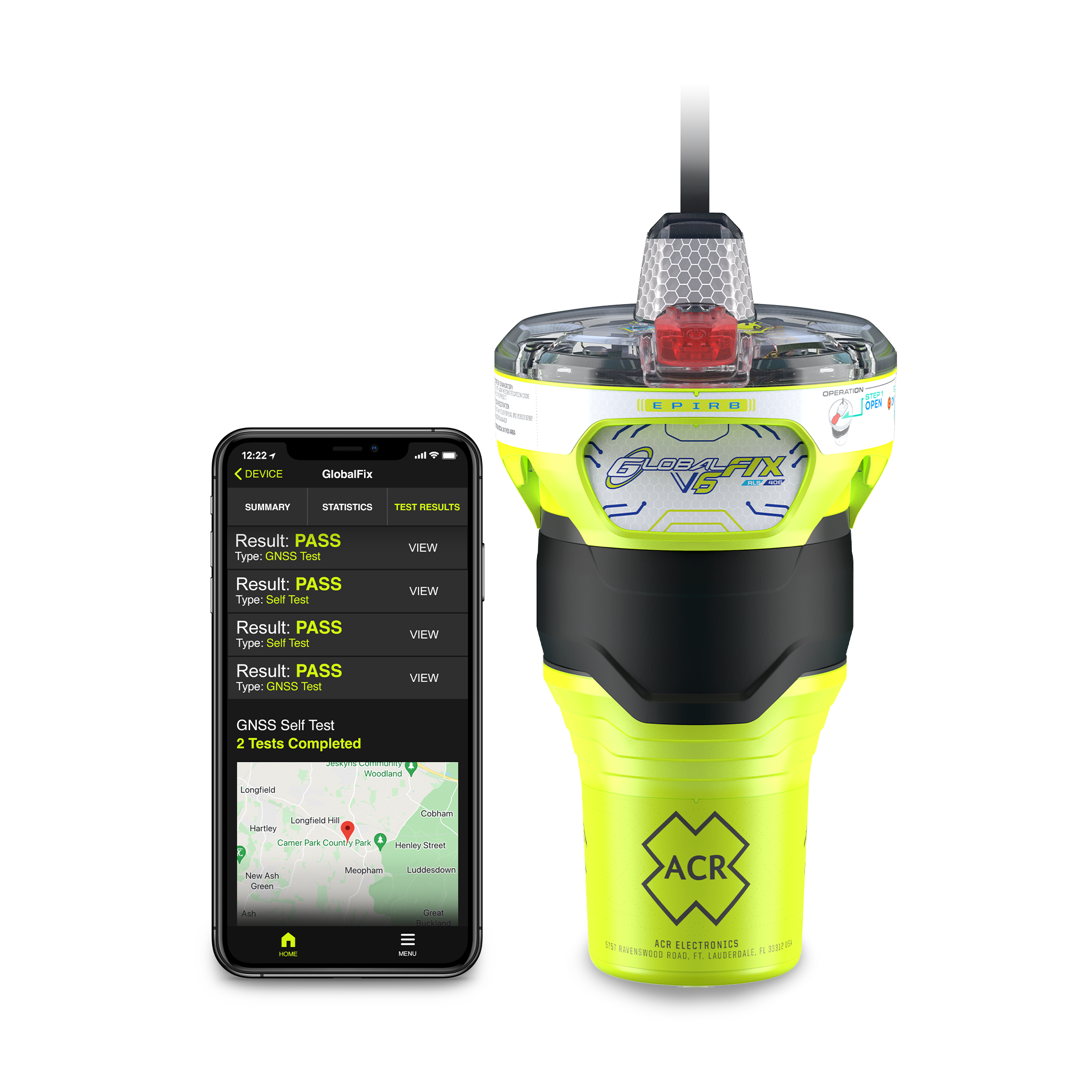
  • NFC mobile app for beacon status checks
  • Cat 1 automatic float-free / Cat 2 manual release

No subscription · 48+ hours operating life at −20°C

Find a dealer

🟢 In Stock | Get It Fast ⚡— Next-Day Shipping at Checkout

Trust badge logo Trust badge logo Trust badge logo

🛡️ 5-Year ACR Warranty | Manufacturer-backed repair or replacement for covered defects. View Warranty | WARNING: PROP 65

SKU: 2853 & 2854 Category: Tags: , , , , , , , , , , , , , ,

PRODUCT DESCRIPTION

GlobalFix V6

Coastal cruising • Offshore fishing • Ocean passages

Your Boat. Your Crew.
A Lifeline Beyond the Horizon.

GlobalFix V6 EPIRB

The ACR GlobalFix V6 EPIRB is an Emergency Position-Indicating Radio Beacon for your boat, available with Category 1 automatic float-free release or Category 2 manual release. It sends a 406 MHz satellite distress alert through Cospas-Sarsat, with GNSS positioning, Return Link Service confirmation and NFC diagnostics. No subscription or cellular connection is required for emergency alerting.

Cat 1 automatic / Cat 2 manual release48-hour minimum operation at −20°CNo subscription

Choose Your Bracket & Country ProgrammingCompare EPIRB Options

Choose Category 1 for automatic float-free deployment or Category 2 for manual release, then select your country programming.
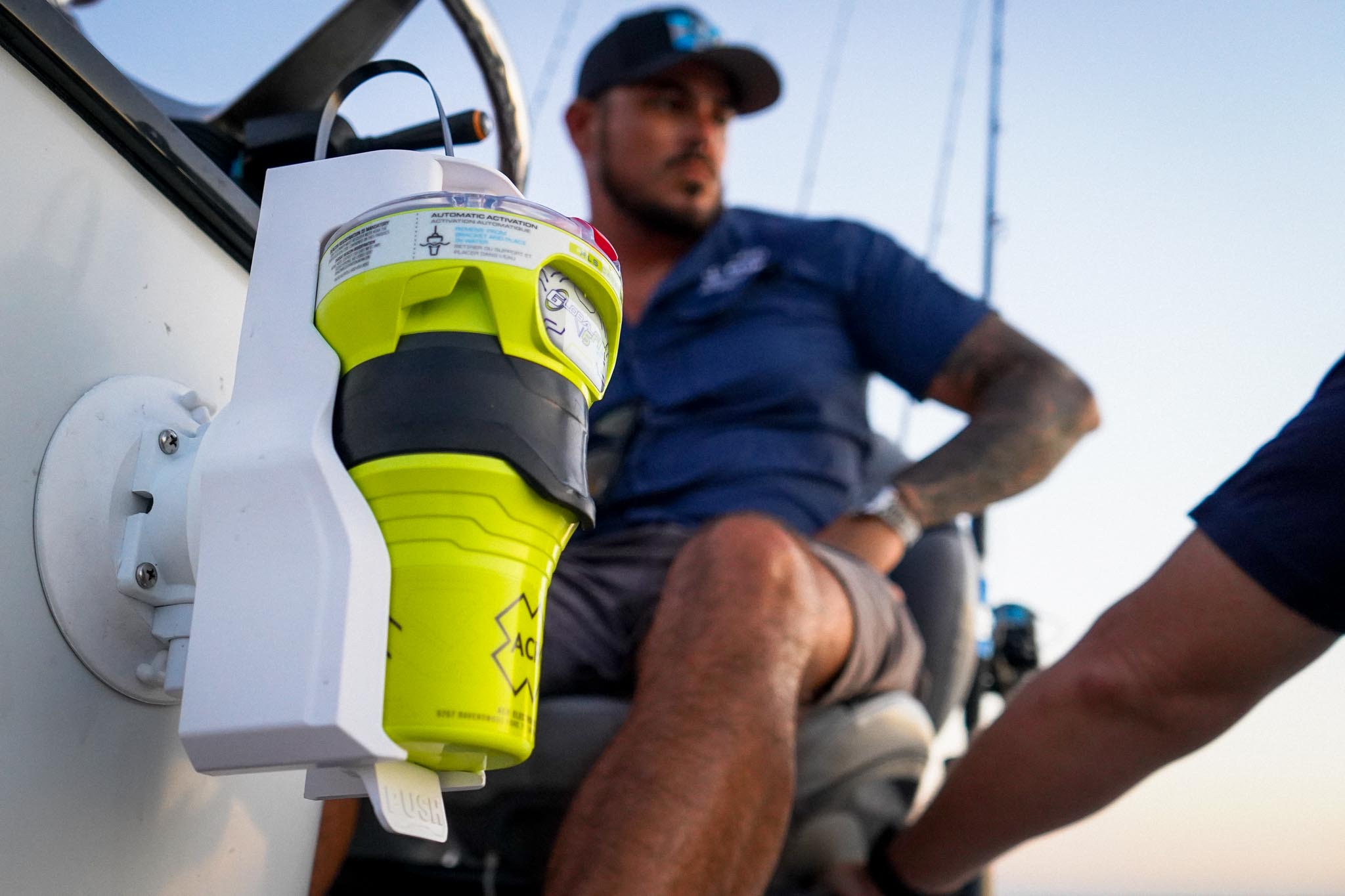
GlobalFix V6 EPIRB in its Category 2 mounting bracket aboard a boat
Position • Alert • Locate

How Does the GlobalFix V6 EPIRB Work?
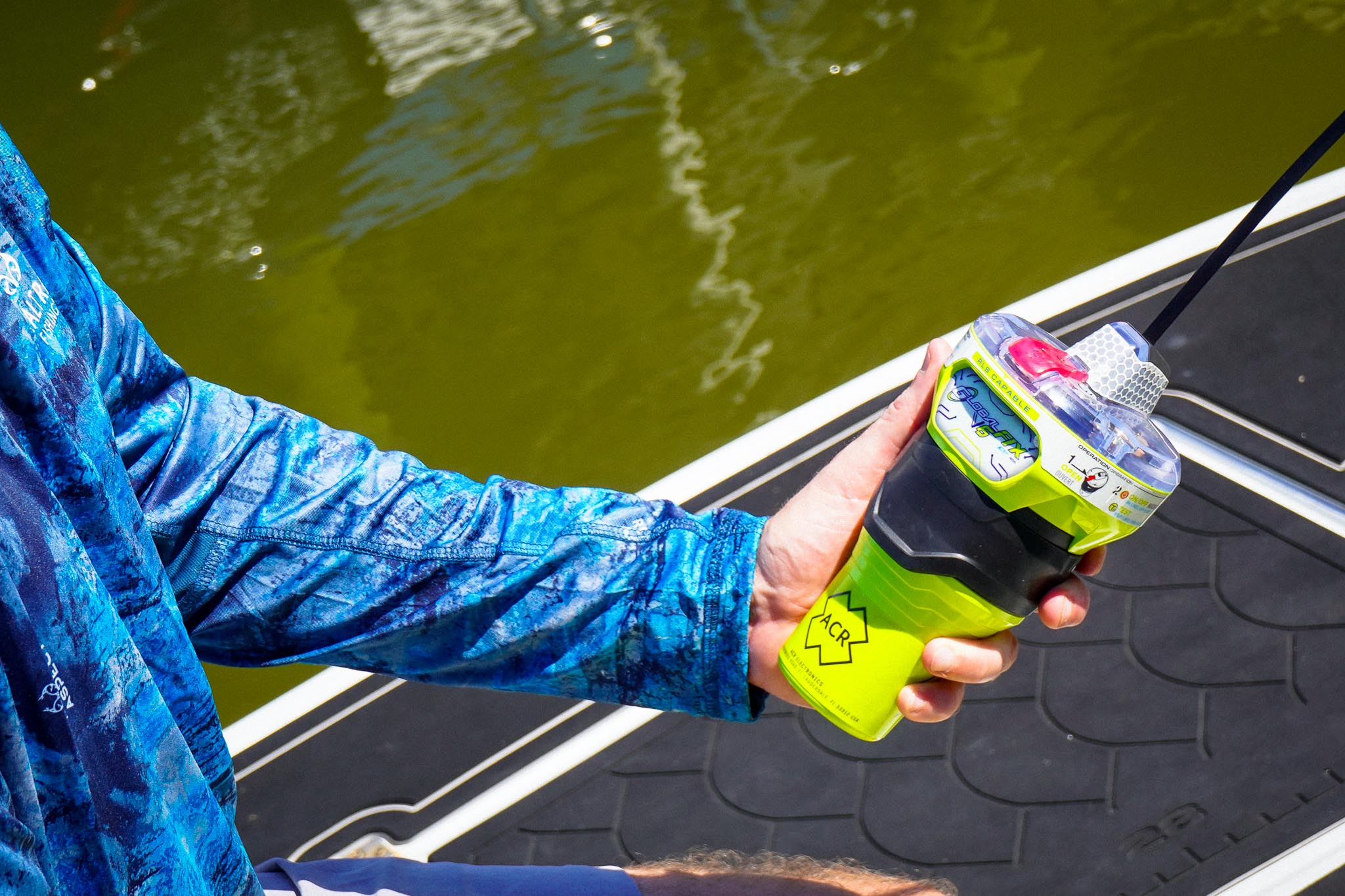
ACR GlobalFix EPIRB aboard a fishing boat

01 / Find Your Position

The GNSS receiver uses GPS, Galileo and GLONASS satellite constellations to establish the beacon’s location for the distress message.

02 / Send the Alert

A 406 MHz distress message travels through Cospas-Sarsat satellites to the ground network and onward to rescue authorities.

03 / Help Rescuers Locate You

121.5 MHz homing and white and infrared strobes support the final search as equipped rescuers approach.

Explore ACR’s guide to EPIRBs and satellite rescue.

Return Link Service

Reassurance That Your Alert Has Been Received.
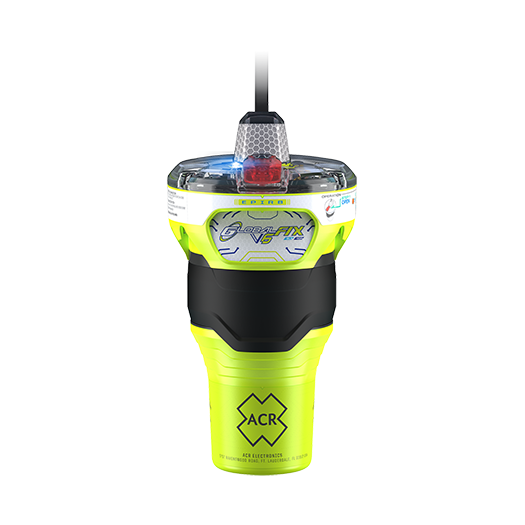
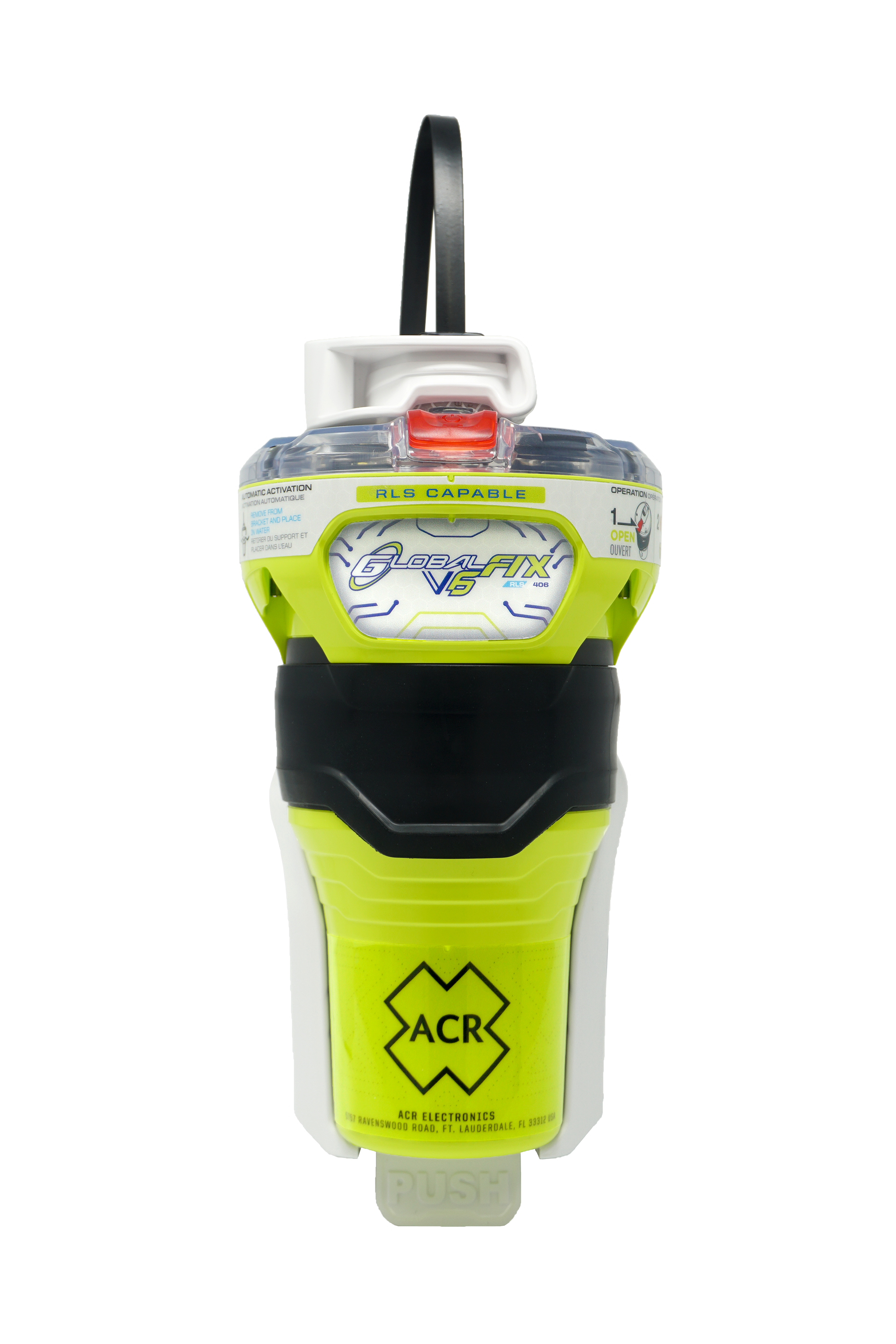
Front detail of the ACR GlobalFix V6 EPIRB with Return Link Service

When the return message reaches your beacon through Galileo, a flashing blue light confirms that the distress alert has been received, located and forwarded to the appropriate authorities. That acknowledgment can help you stay focused while you wait.

RLS is an acknowledgment, not a rescue ETA. It does not confirm that a rescue has been launched and does not provide two-way messaging.

Understand Return Link Service and what the blue light means.

GlobalFix V6 • Real-world rescue • Louisiana, USA

A Sudden Storm. A Father and Son.
A Lifeline on Lake Pontchartrain.
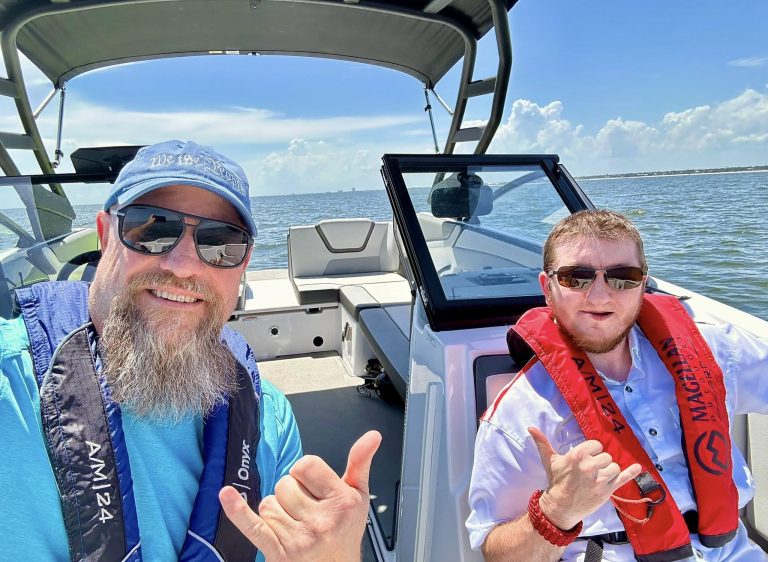
Photograph shared with Douglas Ducote’s GlobalFix V6 rescue story on Lake Pontchartrain

Douglas Ducote and his son were returning across Lake Pontchartrain when a storm overtook their boat. Winds exceeded 40 mph, waves built around them and darkness made navigation even harder.

Fearing for their lives, Douglas activated his GlobalFix V6 EPIRB and made a Mayday call over the radio. In his account, the EPIRB helped the Coast Guard pinpoint their position and send rescue.

“Boating without the ACR Globalfix V6 is not an option!”

Douglas Ducote • Lake Pontchartrain, Louisiana

Read Douglas’s Rescue Story

Published September 12, 2025. This account identifies the GlobalFix V6; the bracket category is not specified. ACR Survivor Club participants receive replacement beacons in exchange for sharing their stories; terms apply.
ACR 406 Survivor Club

The Community Behind the Rescues

What Is the 406 Survivor Club?

The ACR 406 Survivor Club
brings together people whose lives were saved after activating
an ACR or ARTEX 406 MHz EPIRB, Personal Locator Beacon or ELT in
a genuine emergency. Survivors can submit their rescue story
and, once the rescue is verified and programme terms are met,
ACR replaces the used beacon with a new beacon of equal or
greater technology. Their first-hand accounts show how
registered 406 MHz beacons help connect people in distress with
search and rescue.


Explore the 406 Survivor Club  →

Ready for the water

The Features That Matter When You Need Help.
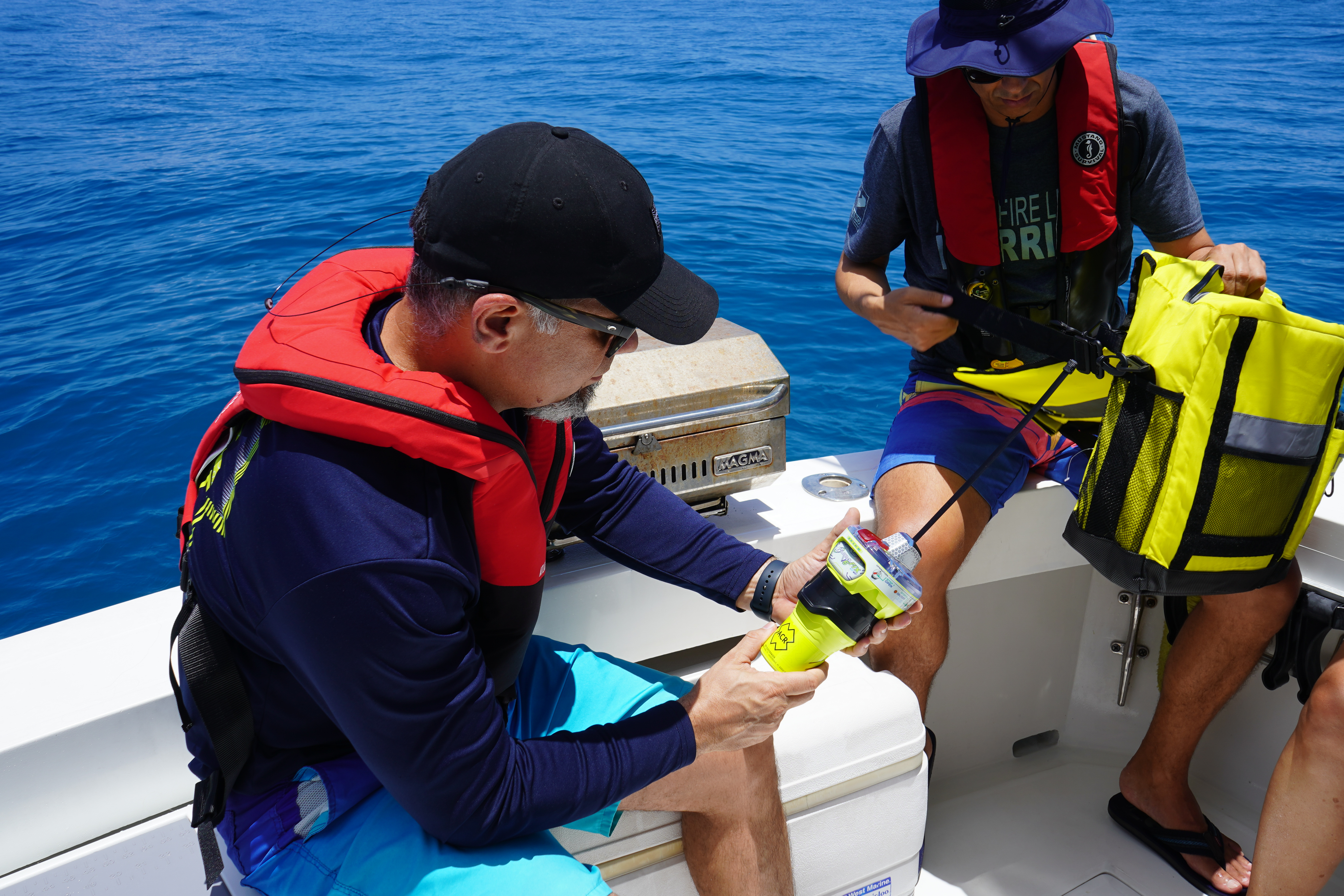
ACR GlobalFix EPIRB held in a hand

48 Hours Minimum

Operating life at −4°F (−20°C).

10-Year Battery Replacement Interval

Replace by the battery’s expiry date, 10 years from manufacture, or after activation.

Buoyant Design

Floats upright to support transmission in the water. Follow the deployment instructions and keep the antenna clear.

Two Bracket Options

Category 1 automatic float-free or Category 2 manual-release bracket, with mounting hardware included.

RLS + NFC

Alert acknowledgment and access to stored diagnostic information.

5-Year Warranty

Covered against manufacturing defects under ACR’s warranty terms.

Model RLB-43. Category 1 part numbers: 2853 (USA), 2853.63 (Canada), 2853.62 (UK/EU). Category 2 part numbers: 2854 (USA), 2854.63 (Canada), 2854.62 (UK/EU). See full specifications and product downloads.

What is included? GlobalFix V6 EPIRB, your selected Category 1 automatic-release or Category 2 manual-release bracket, and mounting hardware. Register the beacon after purchase; ditch bags and additional safety equipment are sold separately or in kits.

Ownership made simple

No Subscriptions. Ever.

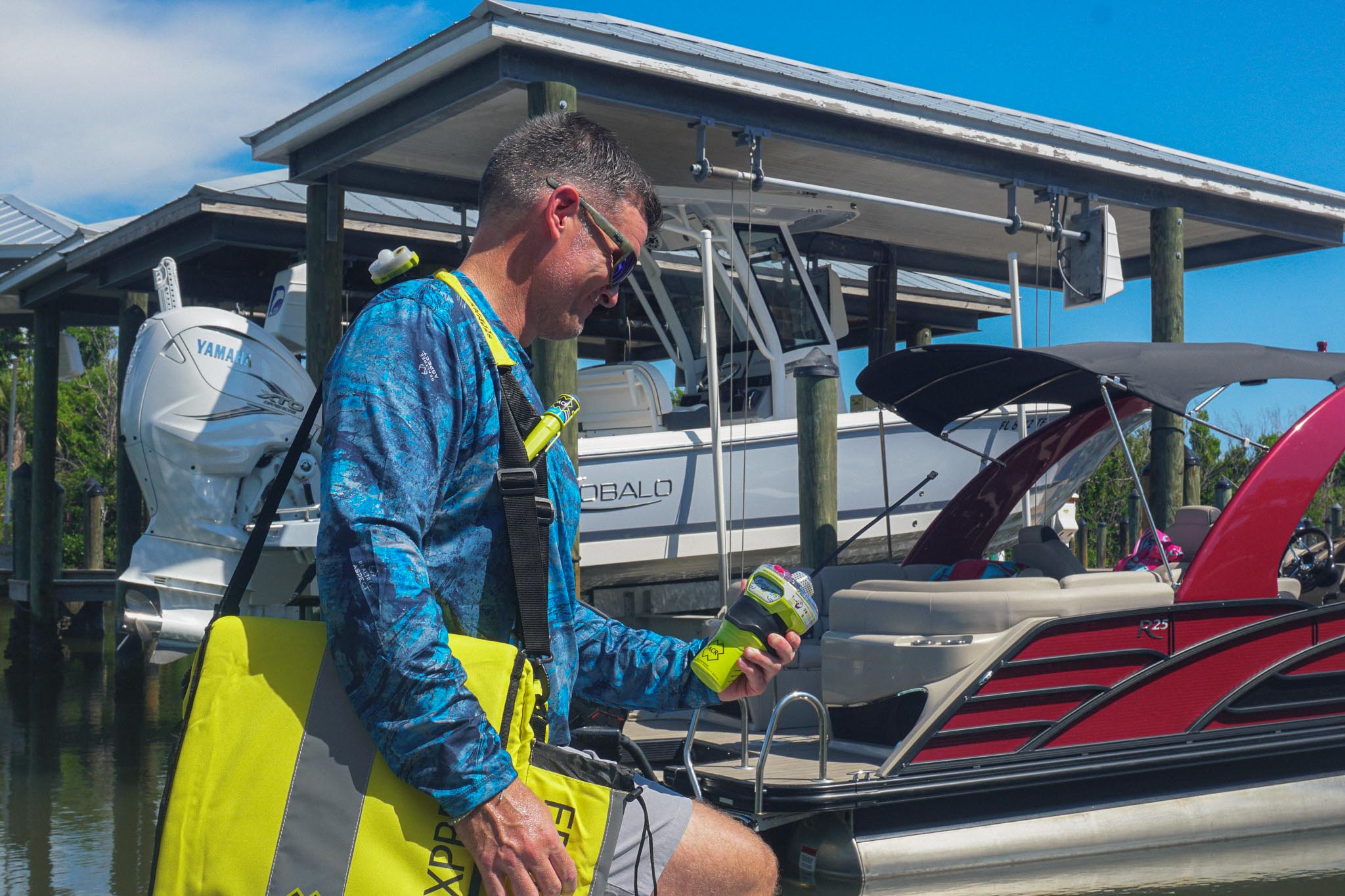
Boater carrying a GlobalFix V6 EPIRB and ditch bag aboard a boat

The emergency satellite service does not require a monthly or annual plan. Register your beacon, maintain it and take it with you when you head out.

No Airtime Plan

Cospas-Sarsat provides the satellite distress-alert pathway without a required subscription.

No Phone Connection

The EPIRB sends its emergency transmission independently. NFC is for checking stored beacon information.

Keep It Ready

Registration, routine testing and battery servicing remain part of responsible ownership.

Learn about EPIRB ownership and subscription-free alerting.

Before you cast off

NFC Diagnostics: Check Your Beacon Before You Go.
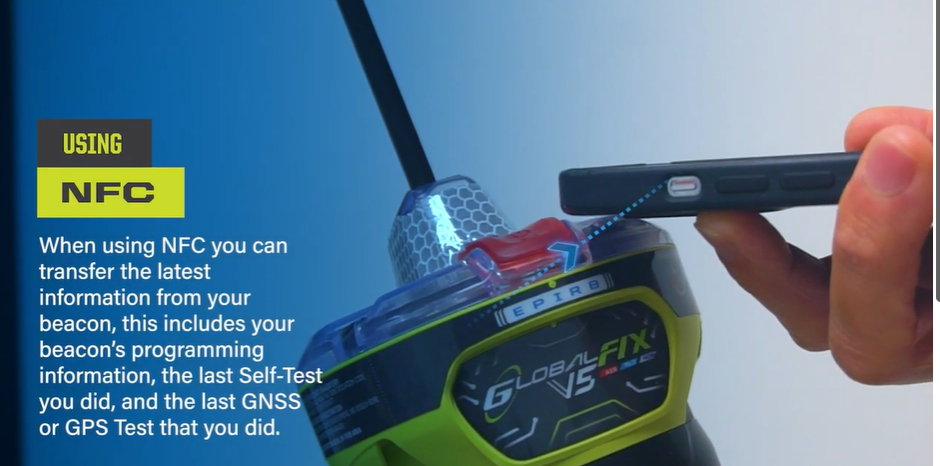
ACR GlobalFix EPIRB NFC smartphone diagnostics

Use a compatible NFC-enabled smartphone and the free ACR Product App to review the beacon’s stored battery-status information, self-test and GNSS-test records, and activation history. It is a practical addition to your pre-departure routine.

Follow the owner’s manual for testing and maintenance. Download and familiarize yourself with the app before your trip; the phone is not required to send a distress alert.

Watch ACR’s NFC Overview

Choose your deployment option

Automatic or Manual Release. The Choice Is Yours.

Both variants offer the same GlobalFix V6 satellite alerting, RLS and NFC features. The difference is how the beacon leaves its bracket.

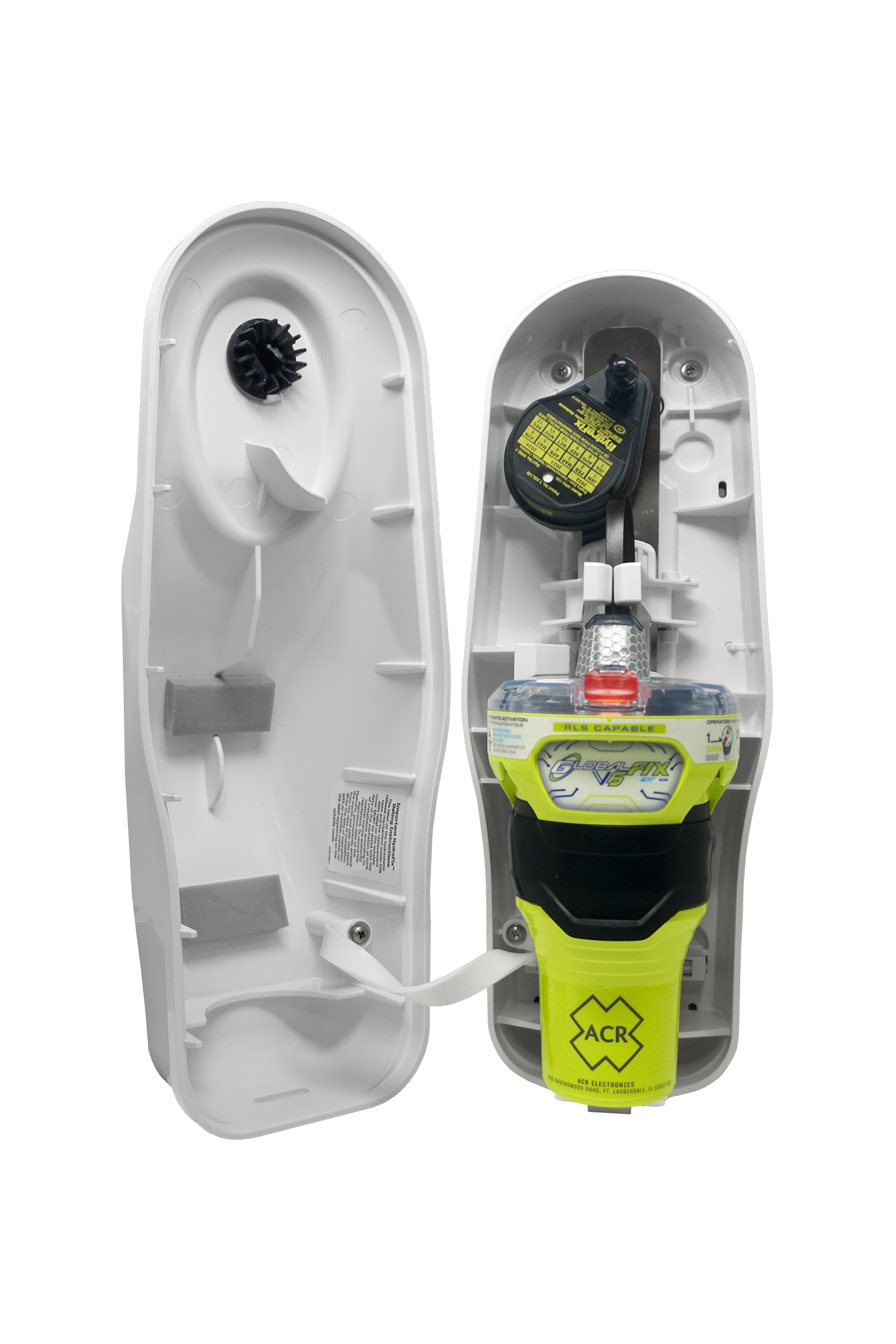
Category 1: Automatic Float-Free Release
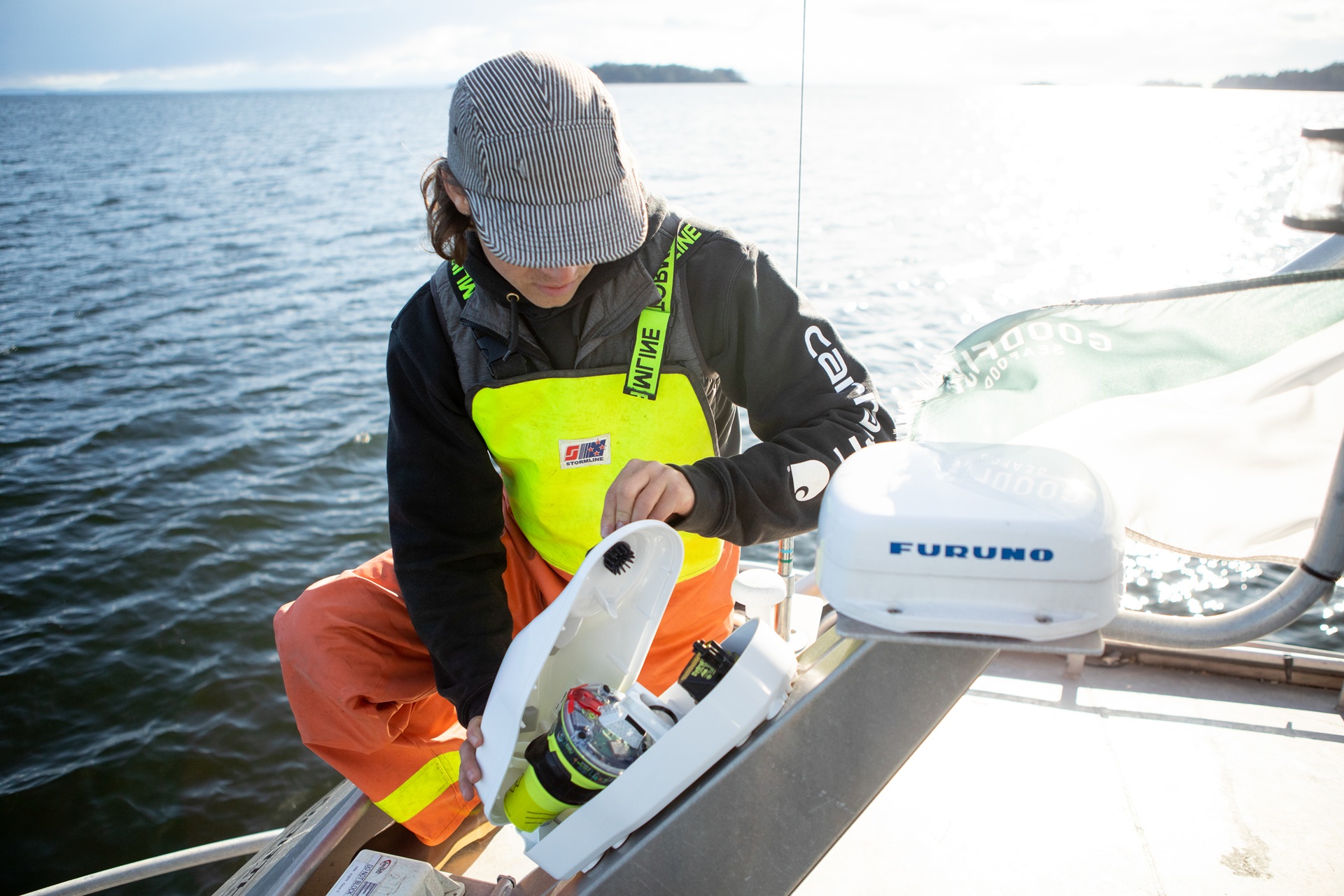
GlobalFix V6 in its Category 1 automatic-release housing mounted on a boat

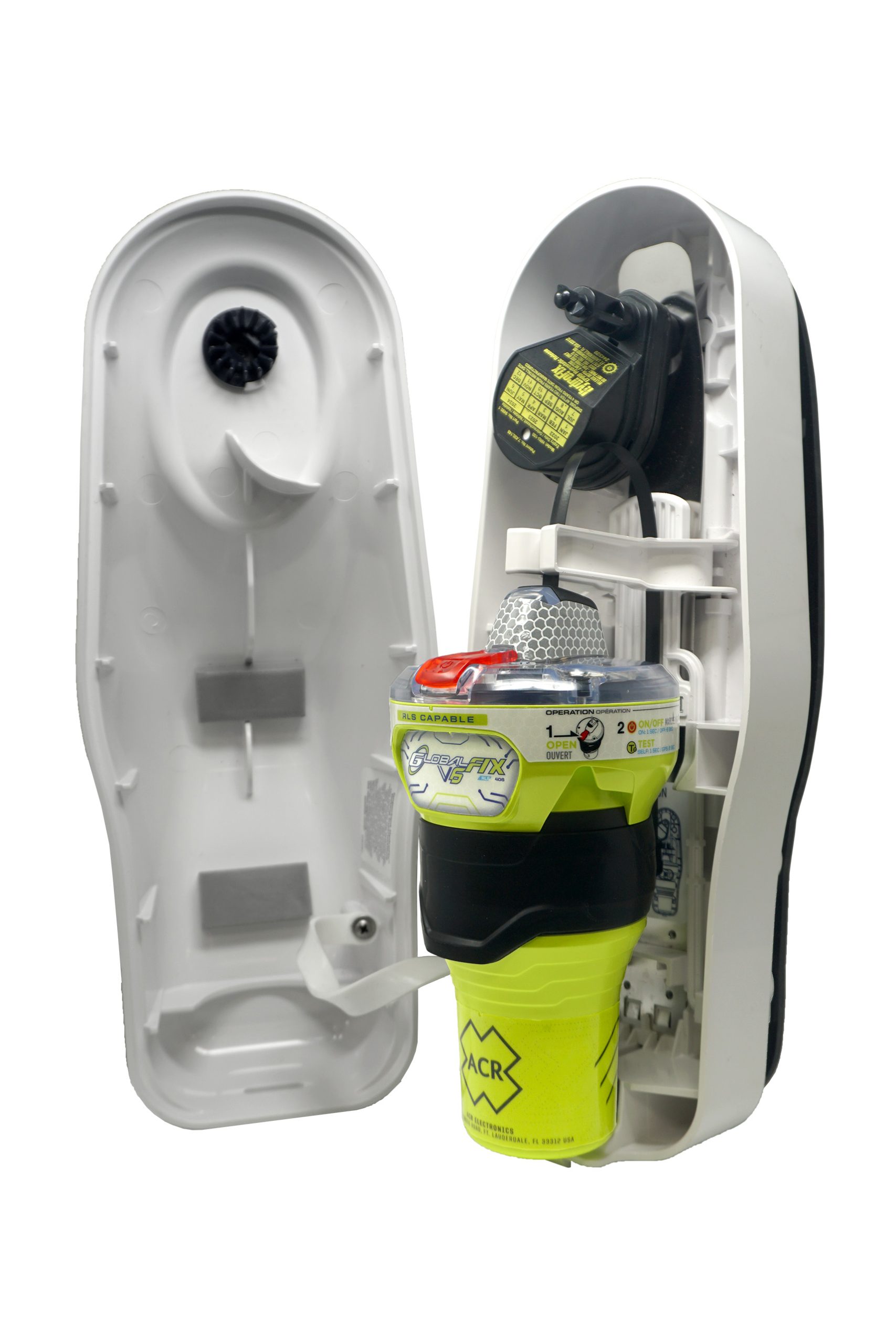
If the vessel sinks, the hydrostatic release lets the beacon float free. Once out of its bracket and in water, the standard water-activated beacon activates automatically. You can also remove and activate it manually.

Choose Cat 1 for automatic deployment. Install the housing where the beacon can float clear, following the mounting instructions.

Category 2: Manual Release
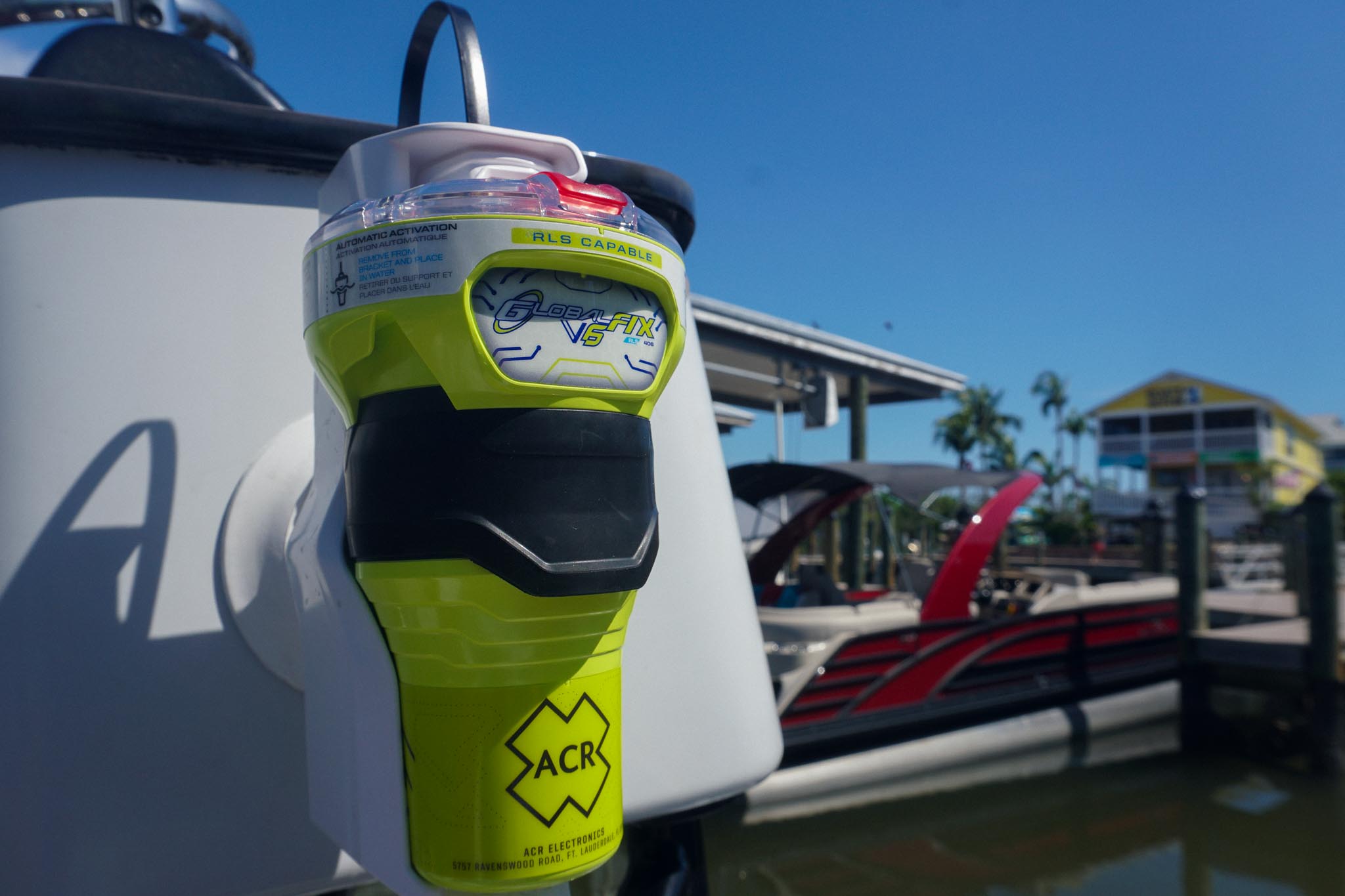
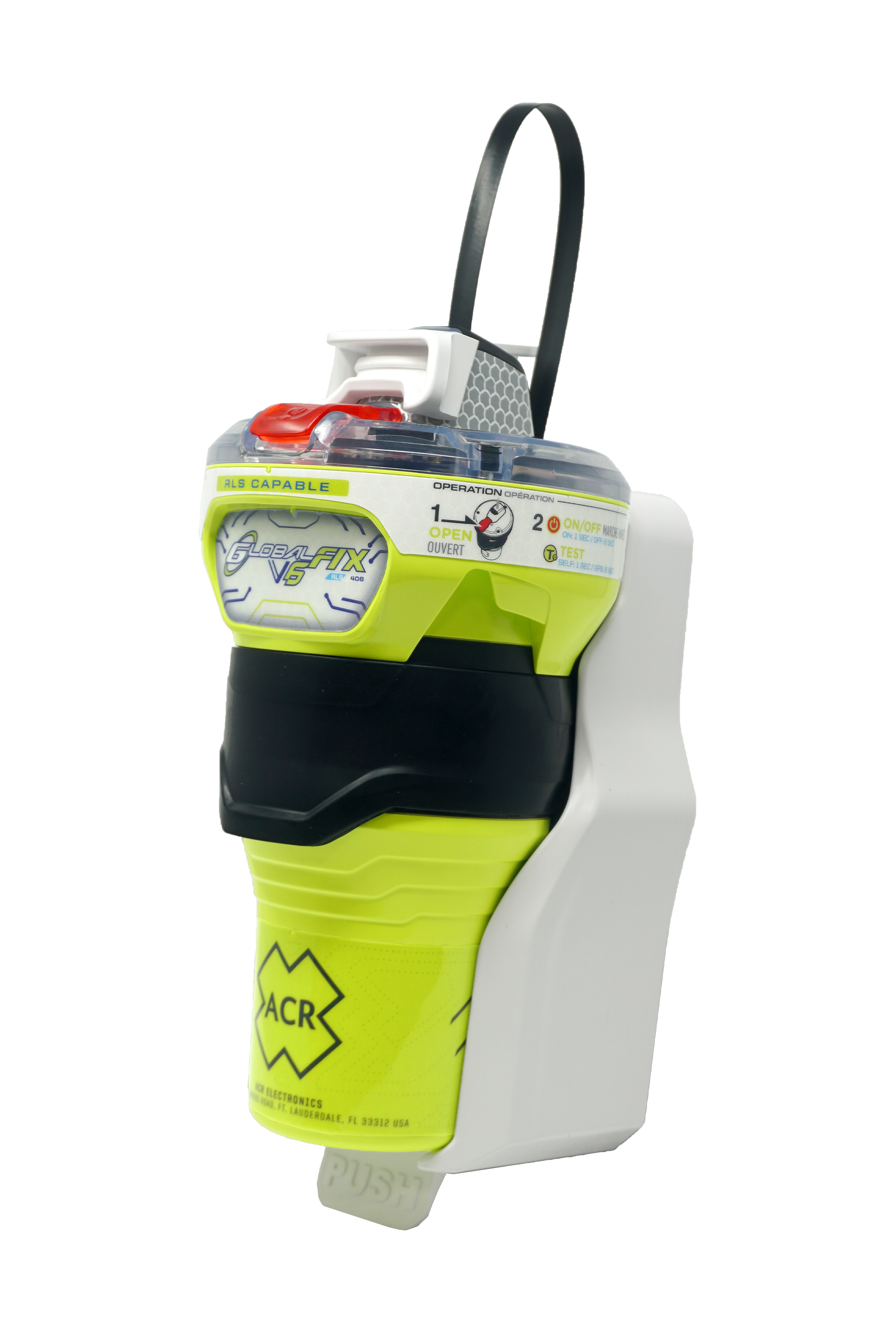
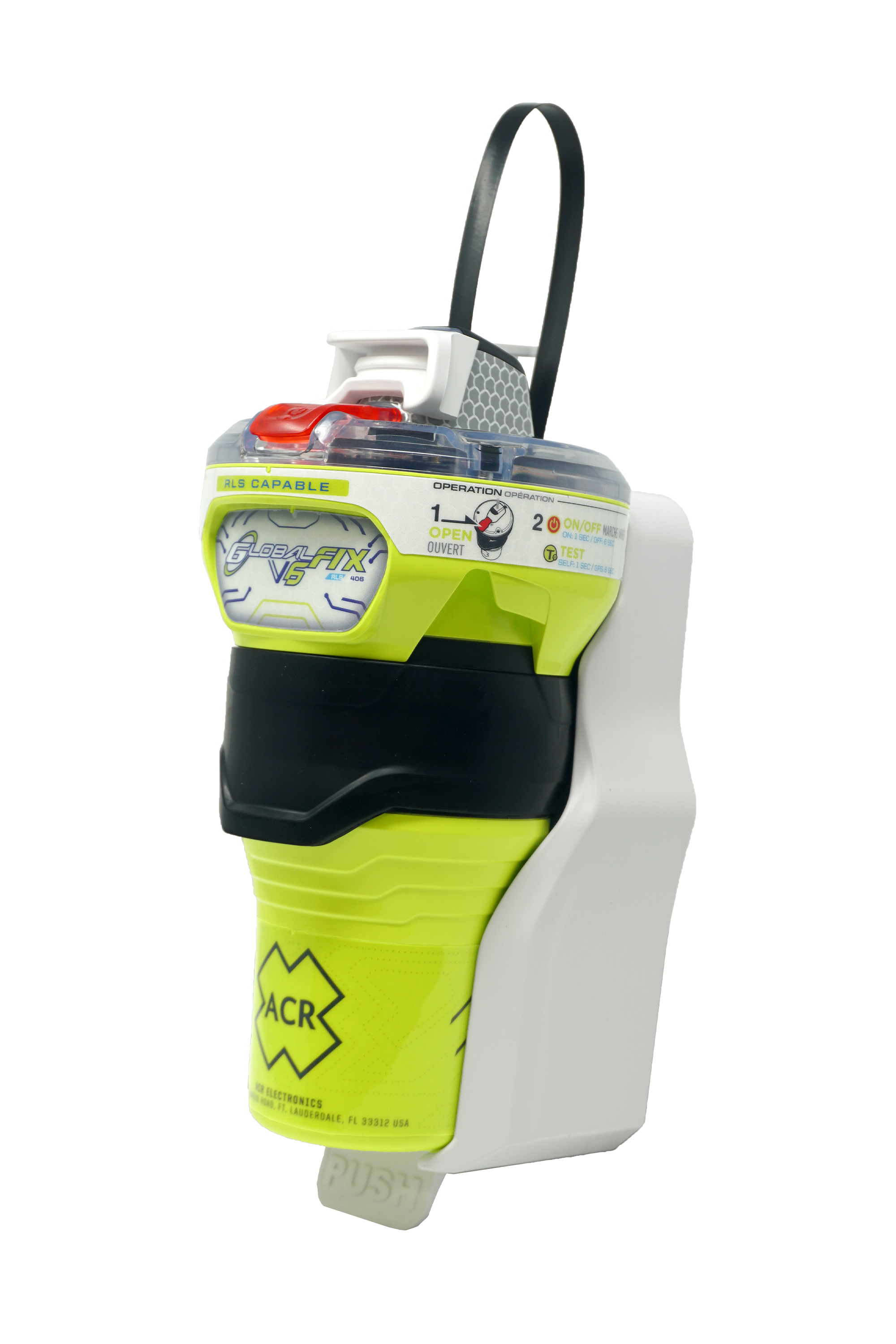
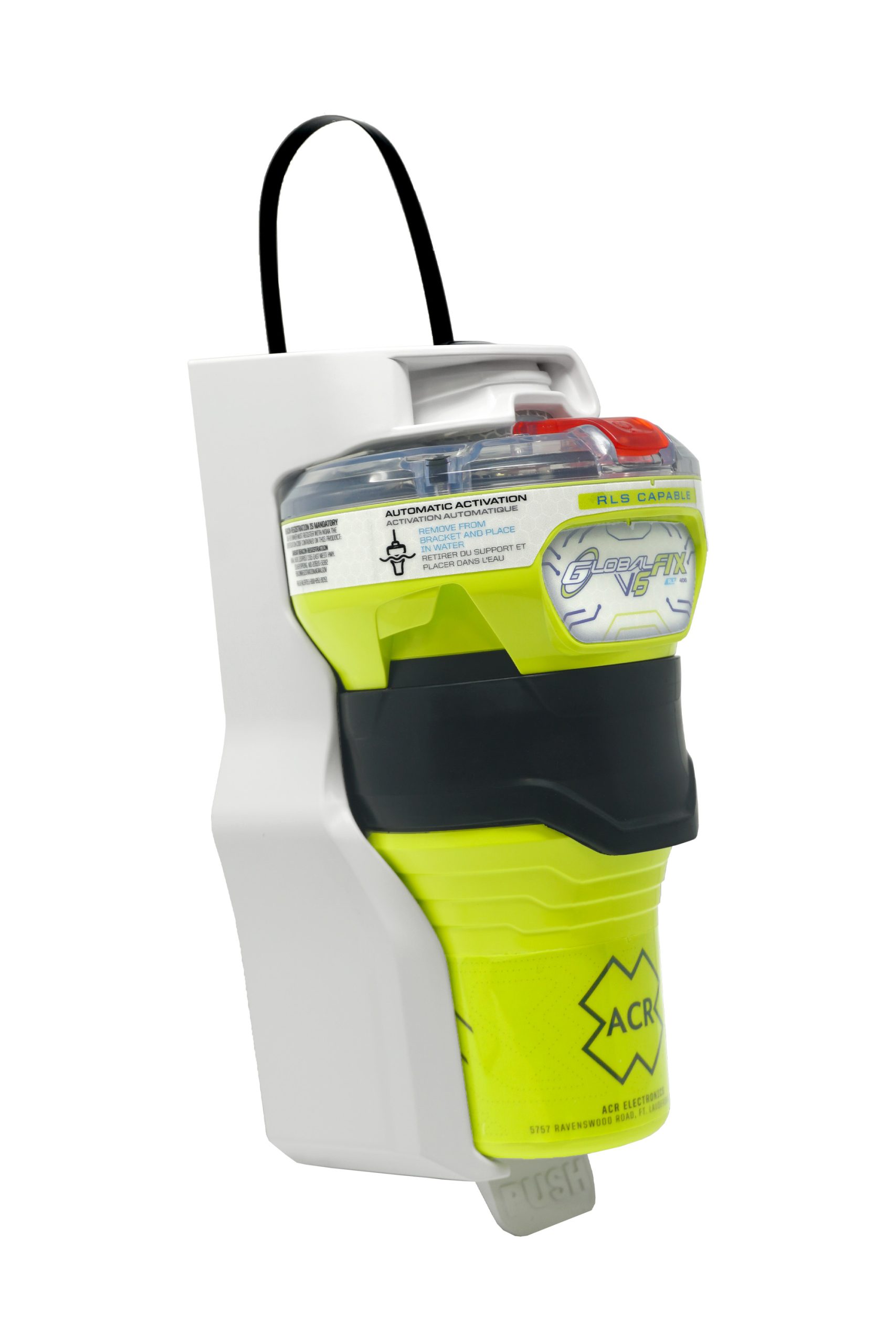
GlobalFix V6 EPIRB in its Category 2 manual-release bracket mounted on a boat

Release the beacon from its bracket yourself and activate it manually, or place the standard water-activated beacon in water after removal. Category 2 does not float free automatically if the vessel sinks.

Choose Cat 2 for manual deployment. Mount it in a protected, readily accessible position and show your crew where it is.

Release and activation are different. Both brackets prevent water activation while the beacon is stowed. Regional Class 3 versions are manual-activation-only; follow the instructions for your exact beacon.

Select your bracket and country programming.

Choose your rescue protection

Which GlobalFix EPIRB Is Right for Your Boat?

Feature V6 Category 2 V6 Category 1 V5 Category 2
Deployment Manual release Automatic float-free release Manual release
406 MHz satellite SOS + GNSS Yes Yes Yes
RLS + NFC diagnostics Yes Yes Yes
121.5 MHz + white/IR strobes Yes Yes Yes
AIS locating signal No No Yes
Choose when… You want to release the beacon yourself You need automatic deployment You also want an AIS signal for nearby equipped vessels

The GlobalFix V6 does not transmit AIS. The GlobalFix V5 AIS EPIRB adds a local AIS locating signal that compatible equipment on nearby vessels can display, alongside satellite alerting.

Choose Your Bracket & Country ProgrammingExplore GlobalFix V5 AIS

Your vessel’s flag, use and applicable carriage requirements determine which equipment is suitable. Review ACR’s EPIRB guidance before selecting a bracket and programming option.

Build your onboard safety setup

An EPIRB for the Vessel. A PLB for the Person.
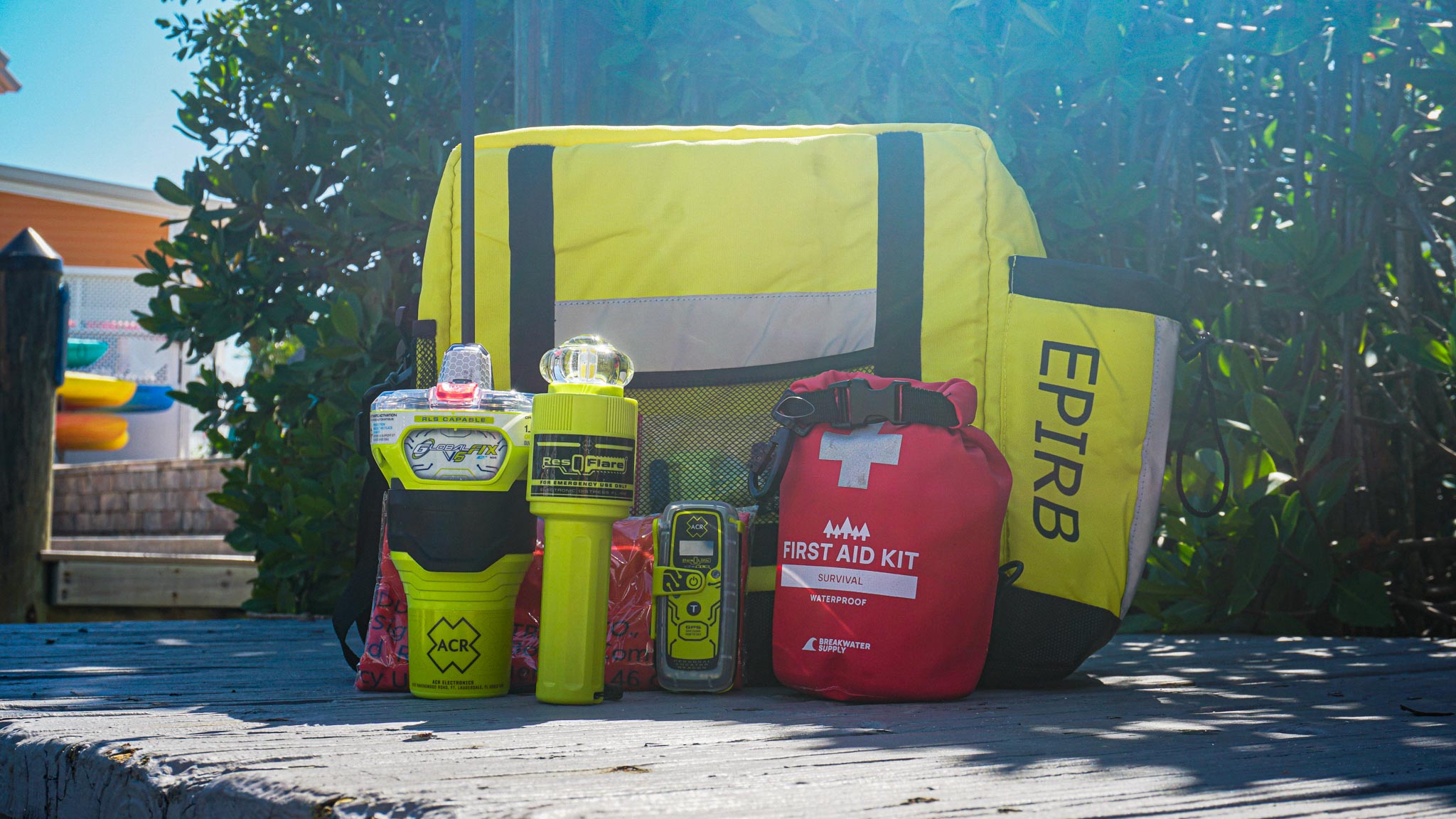
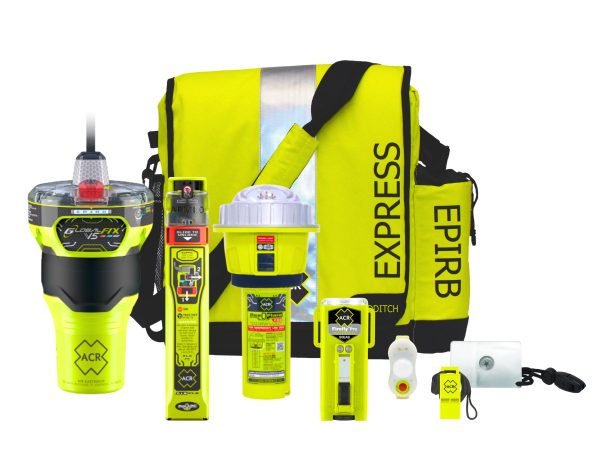
ACR GlobalFix V6 EPIRB and ResQLink personal locator beacon alongside a ditch bag and marine safety equipment
Safety equipment shown for illustration. Kit contents vary; accessories are not included with the standalone EPIRB.

A vessel-mounted EPIRB and a personal locator beacon serve different roles. A PLB carried on your person can remain accessible if you become separated from the boat. Consider both as part of your crew’s emergency plan.

Equip the Boat

Explore GlobalFix V6 Boating Safety Kits for bundle options built around the Category 2 V6.

Equip Yourself

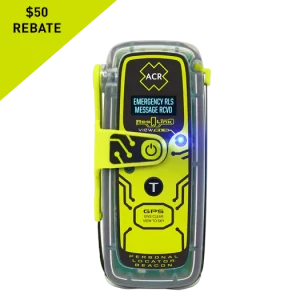
Explore the ResQLink 400 PLB for a compact personal beacon to carry with you.

Compare EPIRBs and personal locator beacons.

Before your first trip

Register Your EPIRB. Give Rescuers the Full Picture.

Beacon registration connects its unique identity to your vessel and emergency contacts. Select the appropriate country programming when ordering, then register the beacon with the relevant national authority. Buying or programming a beacon does not complete owner registration.

Keep your vessel details and contacts up to date, including after a change of ownership. Follow your authority’s renewal requirements.

Find Your Beacon Registration Authority

Your questions answered

GlobalFix V6 EPIRB FAQs

Does the GlobalFix V6 have AIS?

No. Choose the GlobalFix V5 AIS EPIRB if you want AIS locating capability alongside satellite alerting.

What is the difference between Category 1 and Category 2?

Category 1 uses a float-free release system; Category 2 requires manual removal from its bracket. The category describes deployment, not satellite coverage.

Does the V6 work without a phone or cellular signal?

Yes. Its distress alert uses the satellite rescue system. A compatible smartphone is used separately for NFC diagnostics, not to transmit the SOS.

Does the blue RLS light mean rescuers are on their way?

It confirms that your alert has been received and routed to the relevant authorities. It does not confirm dispatch or an arrival time. Read the RLS explanation.

Can a personal locator beacon replace my boat’s EPIRB?

A PLB is designed to stay with a person, while an EPIRB supports vessel emergencies. They complement one another, and a PLB may not meet your vessel’s EPIRB carriage requirements. Explore the differences.

What should I do before taking the beacon aboard?

Choose the correct country programming, complete owner registration, read the manual, install the bracket correctly, and brief your crew. Follow the prescribed testing schedule and battery-expiry date.

Is there a monthly subscription?

No subscription is required for emergency satellite alerting or RLS. Battery servicing and any applicable local licensing requirements are separate.

Where can I find the manual and full specifications?

Open the GlobalFix V6 product page and select Downloads for the manual and mounting template, or Specification for technical details.

How long does the GlobalFix V6 battery last?

The battery replacement interval is 10 years from manufacture, or after activation. This is different from emergency operating life: at least 48 hours at −20°C. Follow the expiry date marked on the beacon and applicable servicing requirements.

Does a Category 2 EPIRB activate in water?

On the standard water-activated GlobalFix V6, water activation is available once the beacon is out of its bracket. Category 2 still requires you to remove it manually; it does not float free. Regional Class 3 versions are manual-activation-only.

Does the V6 have worldwide coverage?

Its 406 MHz distress alert uses the global Cospas-Sarsat satellite system. Deploy the beacon with a clear view of the sky and follow the manual. Satellite coverage does not guarantee a particular rescue response time.

What comes with the GlobalFix V6?

The package includes the EPIRB, your selected Category 1 automatic-release or Category 2 manual-release bracket, and mounting hardware. Select the appropriate country programming and complete beacon registration before use.

Customer Reviews

What Customers Say About the GlobalFix V6

Choose Your GlobalFix V6

Choose your bracket and country programming, then register your beacon before heading out.

Explore GlobalFix V5 AIS Safety Kits

Looking for a Complete Boating Safety Kit?

Build your onboard setup around the GlobalFix V5 AIS EPIRB. Compare four kits combining vessel protection with a ditch bag, signaling equipment and personal beacons, depending on the option you choose.
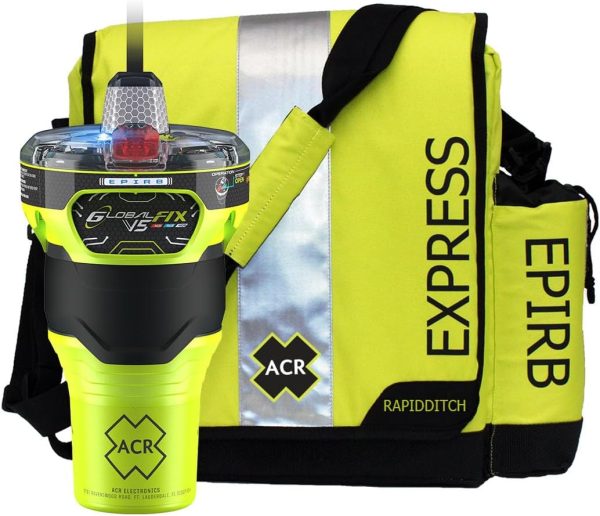
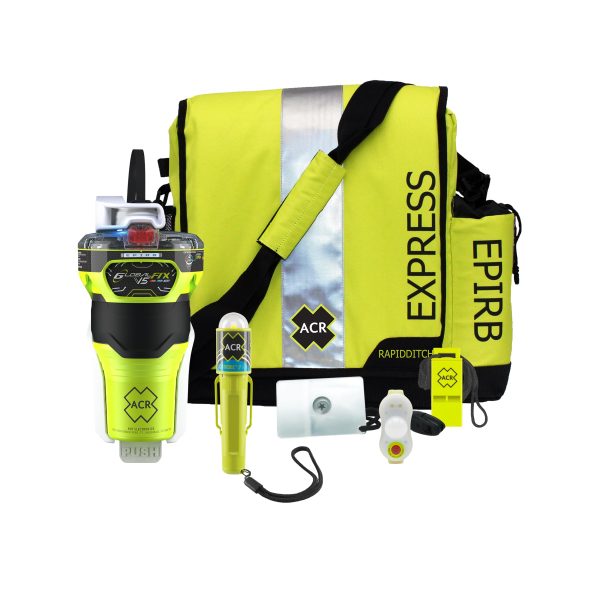
ACR GlobalFix V5 Base Boating Safety Kit 2337.1

GLOBALFIX V5 • 2337.1

Base Boating Safety Kit

V5 AIS EPIRB with a RapidDitch Express Bag. A straightforward starting point for your onboard setup.

Explore Base Kit


ACR GlobalFix V5 Plus Boating Safety Kit 2338.1

GLOBALFIX V5 • 2338.1

Plus Boating Safety Kit

V5 AIS EPIRB, ditch bag, HemiLight3, C-Strobe H2O, signal mirror and whistle.

Explore Plus Kit


ACR GlobalFix V5 Premium Boating Safety Kit 2341.1

GLOBALFIX V5 • 2341.1

Premium Boating Safety Kit

V5 AIS EPIRB with ResQLink View RLS PLB, ResQFlare, ditch bag and additional signaling equipment.

Explore Premium Kit


ACR GlobalFix V5 Ultimate AIS Boating Safety Kit 2384

GLOBALFIX V5 • 2384

Ultimate AIS Boating Safety Kit

V5 AIS EPIRB with ResQLink AIS PLB, ResQFlare PRO, ditch bag and additional signaling equipment.

Explore Ultimate AIS Kit

The People Behind Your Beacon

Who Are ACR Electronics?

ACR Electronics designs and manufactures emergency beacons and survival equipment for marine, outdoor, aviation and government users. Since 1956, its Fort Lauderdale team has developed products designed with one purpose: to help save lives.

The ACR Electronics team outside the company's Fort Lauderdale headquarters and manufacturing facility
Meet the ACR Electronics team in Fort Lauderdale, Florida.

From engineering and product development to manufacturing, quality, customer care and technical support, the people behind ACR work to make dependable rescue technology ready for the moments that matter.

Additional information

Weight 4 lbs
Dimensions 17 × 7 × 7 in
Bracket/Programming

Automatic Release Bracket – 2853 / USA, Manual Release Bracket – 2854 / USA, Automatic Release Bracket – 2853.63 / Canada, Manual Release Bracket – 2854.63 / Canada, Automatic Release Bracket – 2853.62 / UK & EU, Manual Release Bracket – 2854.62 / UK & EU

Activity

Boat Type

, , , ,

Boat Size

, ,


Name GlobalFix V6
Product Description EPIRB with RLS and NFC
Model Number RLB-43
Output Power (406/121.5) 406.040 MHz, 5W (nominal) / 121.5 MHz, 50mW (nominal)
RLS Return Link Service (RLS) confirmation direct to beacon
NFC / Mobile App Near Field Communication (NFC) and Mobile App Included
Strobe White & Infrared
Size (antenna up) – Beacon Only 18.5” x 4.3” x 4.36”

470 mm x 109 mm x 111 mm)

Weight – Beacon Only 1.78 lbs (810 G)
Battery Lithium battery, Li/FeS2
Battery Replacement 10-year replaceable battery (replace 10 years after the date of manufacture or after activation)
Temperature Range (Class 2) Storage: -22°F to +158°F (-30°C to +70°C)

Operating: -4°F to +131°F (-20°C to +55°C)

GPS 72 Channel Multi-constellation receiver (GPS, Galileo, & Glonass GNSS)
Activation Out of bracket and wet, or manually in or out of the bracket (Class 3 – manual activation only)
Waterproof 33 ft (10 m) for 5 min.
Buoyant Yes
Operational Life 48 hours minimum @ -4°F (-20°C)
Deployment Category I – Hydrostatic Release (auto deploy) or Category II – Manual Release (manual deploy)
Warranty 5 years
Accessories EPIRB Mounting Hardware (Included – P/N 9657)

Cat I Bracket (P/N 2832)

Cat II Bracket (P/N 9656)

HRU (P/N 9490.1)

Approvals Cospas-Sarsat, FCC, RED, Canada ISED

WARRANTY LENGTH: 5 YEARS

This product is warranted against factory defects in material and workmanship for a period of 5 (five)* years from the date of purchase or receipt as a gift. During the warranty period ACR Electronics, Inc. will repair or at its option, replace at no cost to you for labor, materials or return transportation.


For further assistance, please contact our Technical Service Department at :


ACR Electronics, Inc.

5757 Ravenswood Road, Fort Lauderdale, FL 33312-6645

Email: service@acrelectronics.com

Telephone: +1 (954) 981-3333

Fax: +1 (954) 983-5087


This warranty does not apply if the product has been damaged by an accident or misuse or as a result of service or modification by another manufacturer.  The COMPANY MAKES NO REPRESENTATION OR WARRANTY OF ANY KIND, EXPRESS OR IMPLIED, AS TO MERCHANTABILITY OR FITNESS FOR A PARTICULAR PURPOSE, OR ANY OTHER MATTER concerning THIS PRODUCT, except as otherwise expressly stated in the previous paragraph. The Company shall not be liable for consequential or special damages. To place the warranty in effect, choose the form above and complete it entirely. Or you may fill out the registration card accompanying your product (if applicable) which must be returned to ACR Electronics, Inc. within ten days of purchase.
*Five Years for the following products:  EPIRB and PLB.

Q: What do EPIRBs do?

Emergency Position Indicating Radio Beacons (EPIRBs) are distress radio beacons that transmit location information about ships directly to Search and Rescue forces letting them know that the owner is in grave and imminent danger. Learn How A Rescue Works

Q: What is RLS or Return Link Service?

Return Link Service or RLS enables newly approved EPIRB, PLB, and ELT allowing for a confirmation signal (Example: blue light flashing or message if the beacon has a digital display) that the distress signal from the beacon has been received and localized by the Cospas-Sarsat system and forwarded to government authorities for action. It does NOT mean that a rescue has yet been organized/launched, only that the distress alert has been received and routed to the appropriate government agencies. The RLS confirmation signal or message should typically be received back to the RLS beacon between 10-20 minutes as Search and Rescue is working to facilitate your rescue.  Learn more about Return Link Service

Q: What is a GPIRB?

Some people call a GPS EPIRB or Emergency Position Indicating Radio Beacon a GPIRB.

Q: Whats the difference between an AIS EPIRB and a traditional EPIRB?

AIS EPIRBs will offer both recreational and commercial users the extra reassurance that other nearby vessels equipped with an AIS Transceiver will be notified in an emergency, in addition to the beacon’s traditional capabilities to transmit a 406 MHz distress signal via the Cospas-Sarsat satellite system to contact global rescue services.  Introducing the AIS locating signal ensures a signal will also be received by all vessels and aircraft equipped with AIS in the vicinity, enabling them to respond with immediate assistance.

Q: What is NFC?

Near-field communication (NFC) is a short-range wireless connectivity technology that uses magnetic field induction to enable communication between devices when they’re touched together or brought within a few centimeters of each other.  The beacons data and activity is stored and when your phone is within range, the beacons NFC uses the phones power to push the data into your phone and into your Beacons Mobile App.  https://www.youtube.com/watch?v=WqE0ag4yqG4 

Q: Where can I purchase a beacon?

Visit our Where To Buy dealer locator or purchase direct from ACRARTEX.com

Q: Will 406 MHz beacons work anywhere in the world?

Yes, 406 MHz beacons can be used anywhere in the world, including at both poles, just remember that you need a clear view of the sky (they will not work in buildings or caves, etc.)

Q: Is there a subscription fee for beacon registration or rescue service?

Beacon registration is free, should you ever have to activate your beacon, rescue is free in most parts of the world.

Q: What is the difference between a Category I and a Category II EPIRB?

The difference is in how the EPIRB is deployed from the provided EPIRB bracket. A Category I beacon automatically deploys when a vessel sinks. The beacon floats free at a depth of 1.5 to 3.0m (4.9 to 13.1ft). The EPIRB can be manually activated while in its bracket or manually removed and activated. A Category II beacon is manually deployed. The EPIRB will automatically activate when removed from its bracket and comes in contact with water, or when it is still in its bracket but a person has lifted the switch to the activation position.
Both the Category 1 and Category 2 brackets will deactivate the EPIRBs water sensor feature so if the EPIRB should get wet while in the bracket, it will not cause a false alarm.  EPIRB water activation is only possible when the EPIRB has been removed from the bracket and gets wet.

Q: How do I register my beacon?

406 MHz Beacons must be registered with the National Authority of the country you live in.

Step 1. Visit our Registration database to find the appropriate National Authority

Step 2. Register with your countries National Authority via Mail, Fax, or for the fastest service register online. Registration in the United States The national authority that accepts beacon registrations in the United States is the National Oceanic and Atmospheric Administration (NOAA). Here are three easy ways to register:

1.) The fastest and easiest way to register is online at www.beaconregistration.noaa.gov. Recommended method. Verify and validate information before submitting it.

2.) Mail the registration form with the pre-addressed, postage-paid envelope to:

SARSAT BEACON REGISTRATION NOAA NSOF, E/SPO53

1315 East-West Hwy Silver Spring, MD 20910

Please print legibly.

3.) Faxing a registration is also acceptable. Fax the registration form to the Fax number on the bottom of the registration form. To reduce the possibility of erroneous entry please verify the legibility of information and validate information on the form to UIN on beacon before faxing. Please print legibly and in BLACK ink. All registration forms will be entered in the 406 MHz beacon registration database within 48 hours of receipt. The information you provide on the registration form is used for rescue purposes only. A confirmation letter, a copy of the actual registration, and a proof-of-registration decal will be mailed to you within two weeks. When you receive these documents, please check the information carefully to ensure that the information provided on the label agrees with the information on the beacon and then affix the decal to your beacon in the area marked \”BEACON DECAL HERE.\” If you do not receive confirmation from NOAA in the expected timeframe, or if the information on the label is incorrect call toll-free 1-888-212-7283 for assistance. Registration outside of the United States In countries other than the United States, 406 MHz beacons are registered with that country\’s national authority at the time of purchase. The sales agent should have assisted you in filling out the forms and sending them to the country\’s national authority. Alternatively, visit our Registration database or many countries allow online registration in the International 406MHz Beacon Registration Database (IBRD) at www.406registration.com.

To verify that the unit is properly programmed for your country, view the UIN label on the back of the unit. If the beacon is not programmed for your country, the sales agent (if properly equipped) can reprogram the unit for the correct country.

Q: Why is it so important for me to register my beacon?

Registering the EPIRB, ELT, or Personal Locator Beacon is required by law in the United States and most countries. Registering is very important because should your beacon ever be activated, it is how Search and Rescue Teams will know who you are, and contacts provided may be able to supply information about your specific travel plans. In the absence of this information, it may take longer for a search-and-rescue operation to begin.

Q: How do I know the beacon is working?

Perform a monthly self-test. If the test passes, the beacon is working. If self-test does not pass, take/send the beacon in for service.
If your EPIRB has NFC and the new ACR Mobile App, you can also view your EPIRBs detailed test results by scanning the NFC antenna and pulling the beacons data into your ACR Mobile App.
If you want to know that your beacon signal is reaching the satellite system and your signal is being received back down to earth please check out our advanced testing service called 406Link.com.

Q: How often should I carry out a Self Test?

The beacon owners manual recommends the frequency of these tests; typical advice is once a month and/or before extended trips.
If your EPIRB has NFC and the new ACR Mobile App, you can also view your EPIRBs detailed test results by scanning the NFC antenna and pulling the beacons data into your ACR Mobile App.

Q: The date on my HydroFix™ Release Unit is not marked. What do I do?

The HydroFix should be marked by the owner at the time of installation with an indelible ink pen. The HydroFix Release Unit is good three years from the date of manufacture (which is imprinted on the bottom of the HydroFix?) or 2 years from the date of installation. See the example below: MFG.0622 means the HRU was made June (06) of 2022. Thus this unit will need to be replaced 2 years from the date installed or in June of 2024. HRU MFG Date

Q: Where do I mount my EPIRB?

Step 1: Determine a suitable mounting location.

Locate the beacon in a readily accessible location that is protected from outside influences. The location selected must be
sufficiently rigid to support the weight of the total installation.
Hazards to avoid when selecting a mounting location:
– Vibration
– Exposure to the elements, especially sun
– Possibility of impact from hatches, gear or personnel
– Harmful vapors
– Exhaust
– Harsh chemicals (i.e. paint removers)
– Locations that can be obscured by foreign articles on a temporary or permanent basis.

CAUTION: Category I brackets must be mounted free from obstruction, to allow the beacon to automatically float
free from the vessel. The Category I bracket can be mounted on a vertical surface with the beacon antenna pointing
skyward or on a horizontal surface with the beacon facing up. Avoid mounting locations that subject the bracket to
breaking waves. Avoid structures such as dodgers or cabin tops that could trap the beacon upon deployment.

CAUTION: Category II brackets must be mounted in a protected location that is easily accessible. The CAT II
bracket can be mounted on a vertical surface with the beacon antenna pointing skyward or on a horizontal surface with
the beacon facing up. Avoid mounting locations that subject the bracket to breaking waves and locations that do not
provide protection from harmful UV rays

Q: How do I maintain an EPIRB?

Taking care of a beacon is quick and easy. Routine maintenance is part of having the beacon ready at all times. Follow the maintenance recommendations in the Owner’s Manual and be sure to regularly self test your beacon to ensure it is working properly.

Q: Can I use my 406 MHz beacons anywhere in the world?

You should check the local regulations of any place you plan to visit with your beacon, some countries require you to have a radio license and a few countries have restrictions on the use of beacons, however, if it’s a real emergency you should always activate your beacon.

Q: What is a UIN and where do I find it on the beacon so I can register my beacon?

A UIN or Unique Identifier Number that is programmed into each beacon at the factory. The UIN number consists of 15 digit series of letters and numbers that make up the unique identity of the beacon. The UIN is on a white label on the exterior of the beacon. The UIN is also referred to as the Hex ID.  If your EPIRB has NFC and the new ACR Mobile App, you can also get your UIN by scanning the NFC antenna and pulling the beacons data into your ACR Mobile App.


https://www.youtube.com/watch?v=7mwnV6cnsqs

Boost your adventure