PRODUCT DESCRIPTION
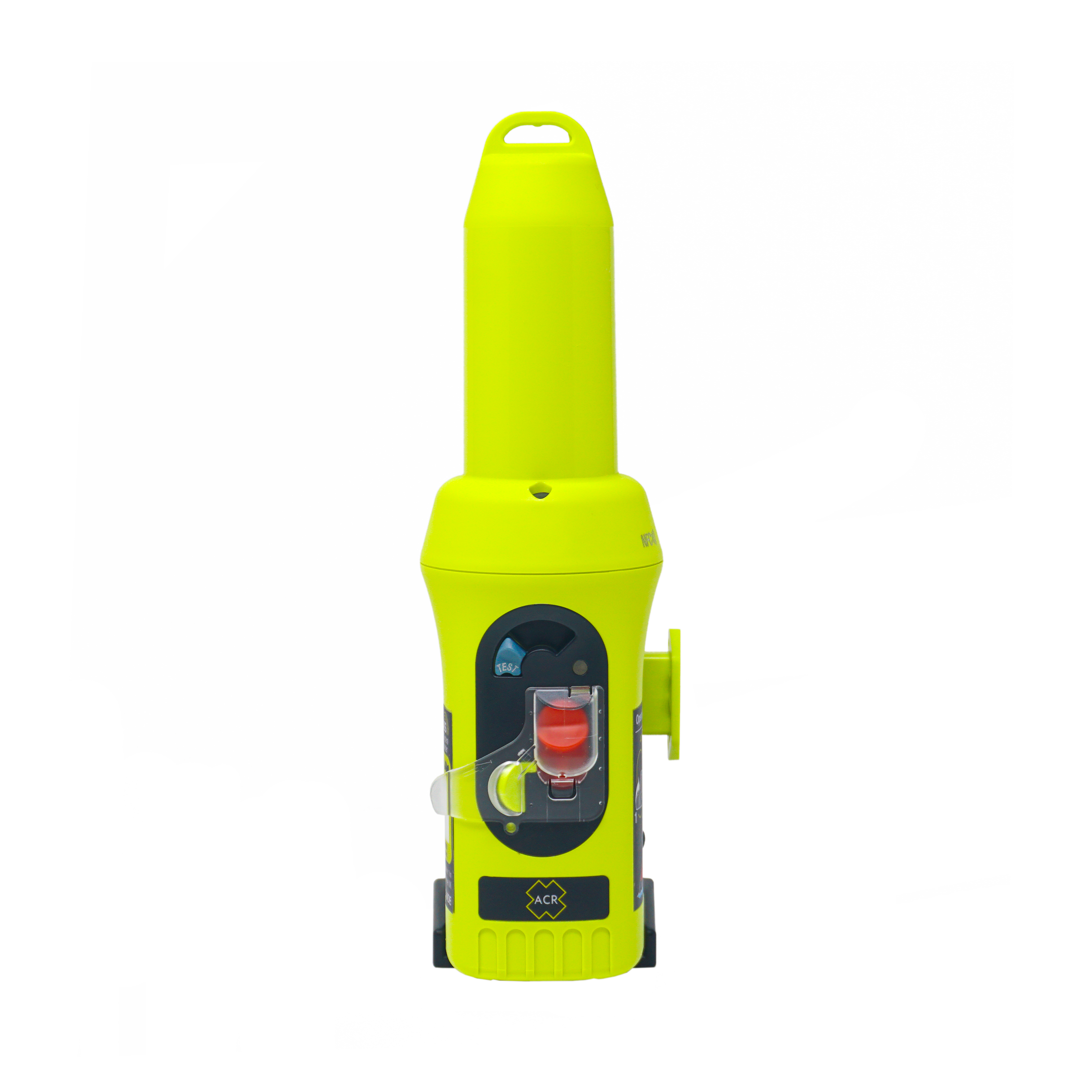
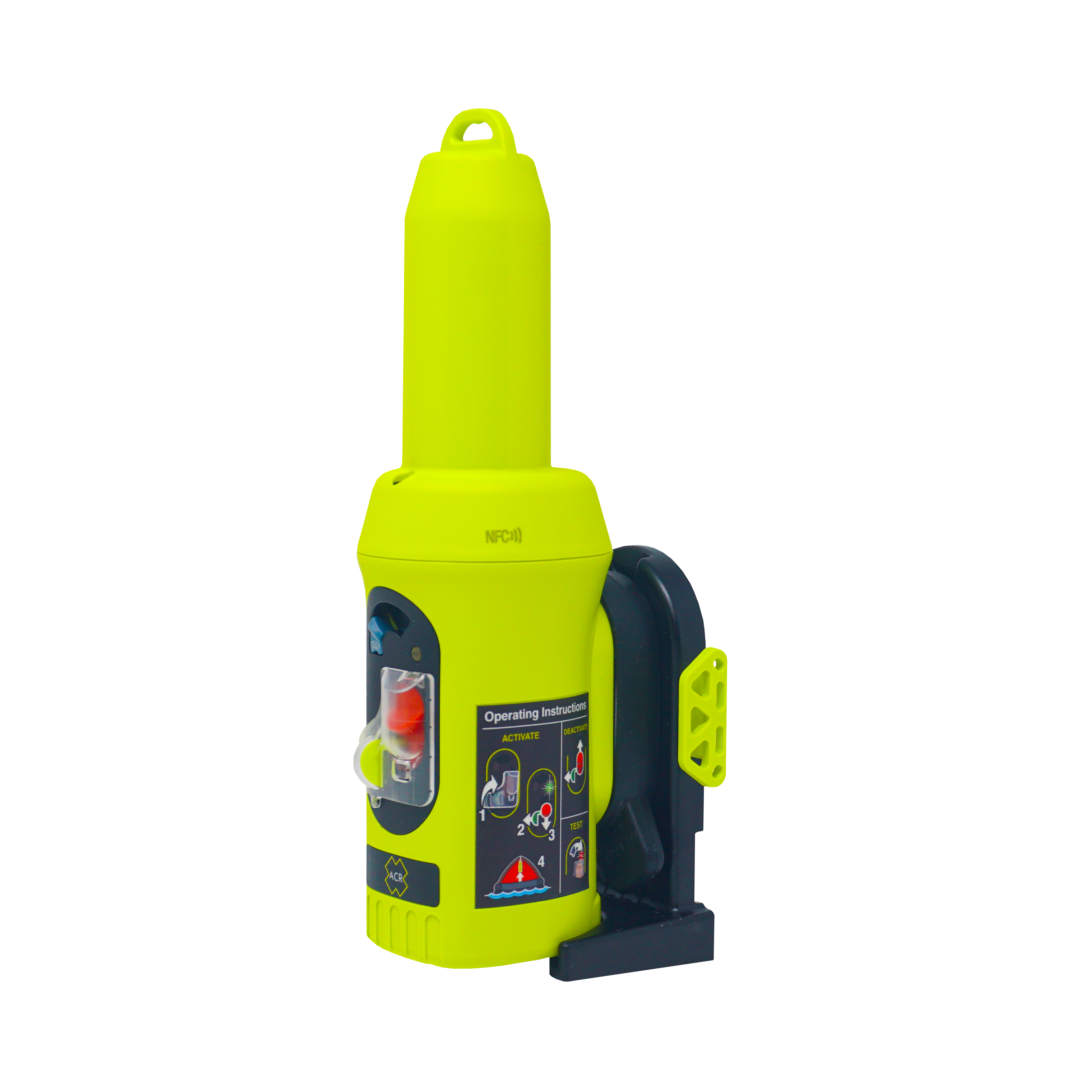
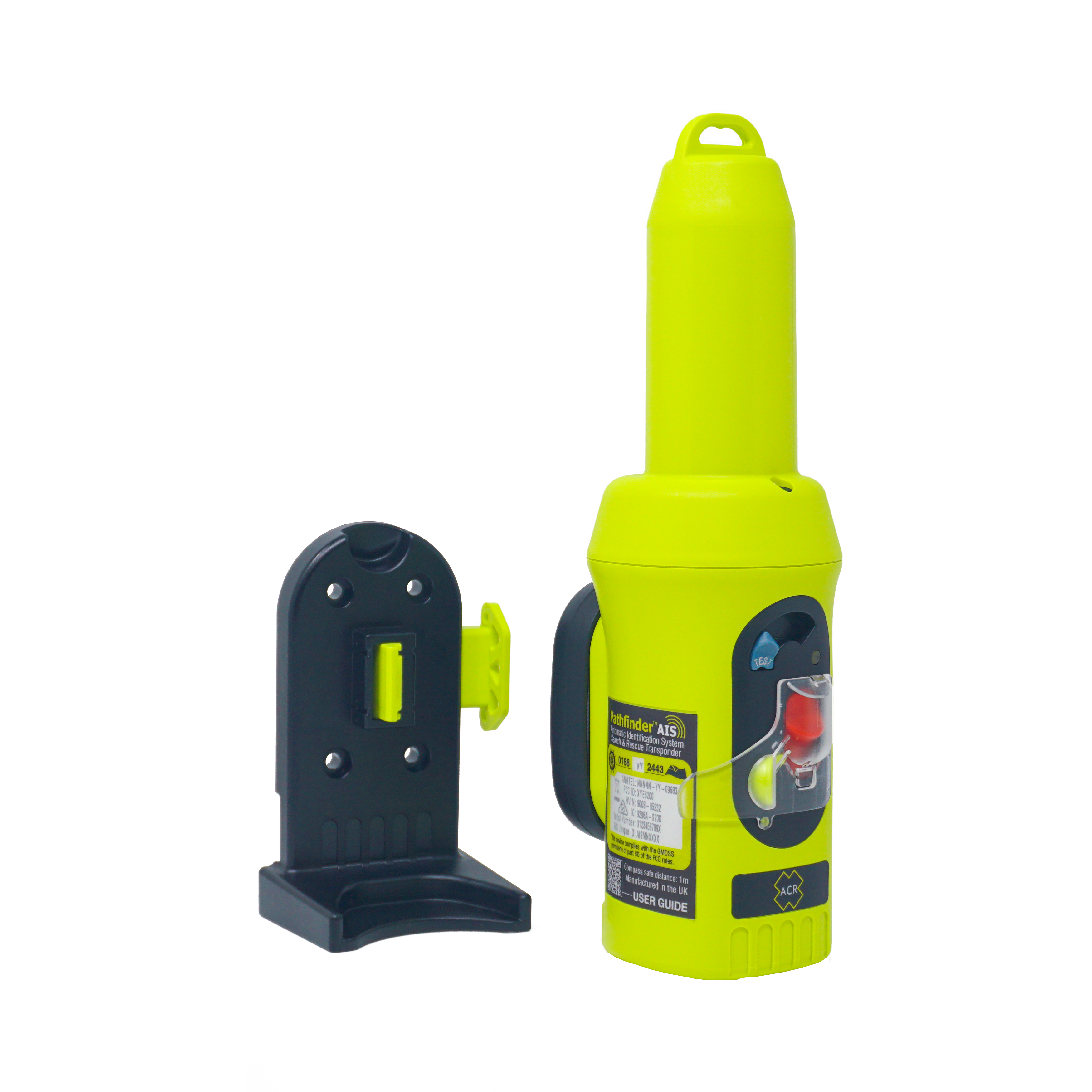
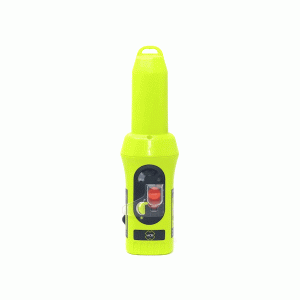
Utilizing the tried and proven sturdy design and convenient form factor of the Pathfinder Pro SART, the Pathfinder AIS features Automatic Identification System (AIS) distress alerting versus use of a traditional radar-based system. The new state-of-the-art Pathfinder AIS transmits GNSS/GPS satellite location coordinates to all AIS equipped vessels within VHF range alerting them to the fact that emergency assistance is required.
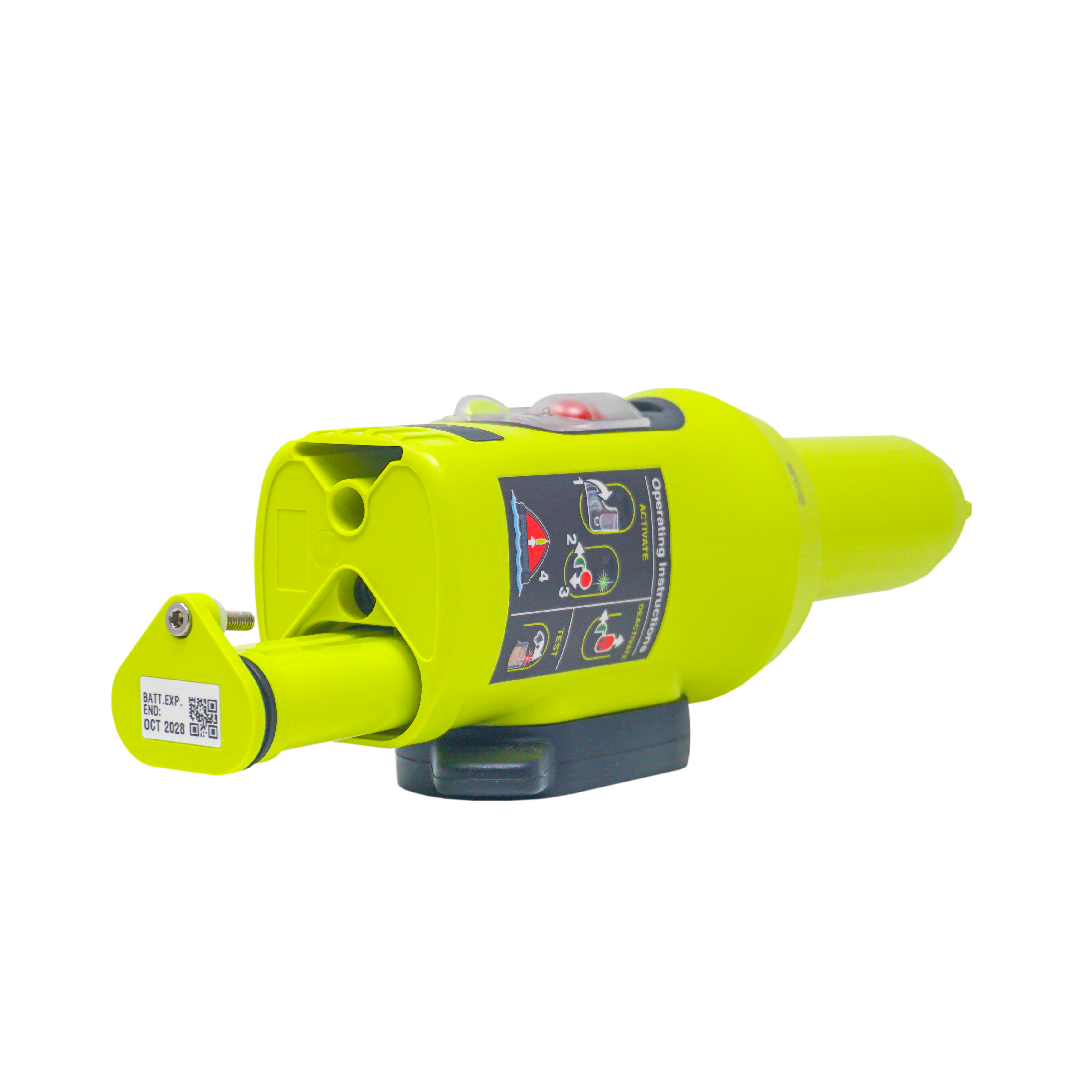
The Pathfinder AIS has an average detection range of 5 nautical miles, incorporates Near Field Communication (NFC) technology which aids product registration and provides test data, and utilizes a lithium battery providing 96 hours of operating life. Other benefits include precise GNSS/GPS positioning, real-time tracking, and in contrast to radar SARTs, AIS SARTs have less susceptibility to adverse weather conditions such as heavy rain or fog.
The Pathfinder AIS comes with a sleek wall mount to keep it out of the way, yet readily accessible in an emergency. The optional telescopic pole conveniently connects to the bottom of the SART and provides for maximum height (extends 3.3ft/1m) and visibility out of a life craft. The SART can also be suspended inside the craft for hands free usage.
Engineered to withstand the harshest marine environments, the Pathfinder AIS is ready to perform in any emergency, ensuring your distress signal is detected by any AIS-equipped vessel within range. Its rugged design ensures it remains operational when you need it most.
Carriage Requirements
- Any IMO SOLAS vessel on international voyages are required to carry a SART
- 300-500 Gross Register Tonnage (GRT) must carry a minimum of 1 SART
- Over 500 GRT Gross Register Tonnage (GRT) must carry a minimum of 2 SARTs
- 1 SART for every four life rafts on Ro-Ro passenger vessels
- Passenger ships of any size must carry a minimum of 2 SARTs regardless of their tonnage
- Lifeboats: SOLAS requires that at least 1 SART be available for use in each survival craft
- Liferafts: In the case of passenger ships, if there are more than 2 liferafts, additional SARTs should be provided so that at least one SART is available for every 2 liferafts.
WARRANTY LENGTH: 2 YEARS
This product is warranted against factory defect in material and workmanship for a period of 2 (two)* years from date of purchase or receipt as a gift. During the warranty period ACR Electronics, Inc. will repair or at its option, replace at no cost to you for labor, materials or return transportation.
For further assistance, please contact our Technical Service Department at :
ACR Electronics, Inc.
5757 Ravenswood Road
Fort Lauderdale, FL 33312-6645
Email: service@acrelectronics.com
Telephone: +1 (954) 9881-3333
Fax: +1 (954) 983-5087
This warranty does not apply if the product has been damaged by accident or misuse, or as a result of service or modification by other than the manufacturer. The COMPANY MAKES NO REPRESENTATION OR WARRANTY OF ANY KIND, EXPRESS OR IMPLIED, AS TO MERCHANTABILITY OR FITNESS FOR A PARTICULAR PURPOSE, OR ANY OTHER MATTER WITH RESPECT TO THIS PRODUCT, except as otherwise expressly stated in the previous paragraph. The Company shall not be liable for consequential or special damages. In order to place the warranty in effect, choose a form above and complete it entirely. Or you may fill out the registration card accompanying your product (if applicable) which must be returned to ACR Electronics, Inc. within ten days of purchase.
Question: Why should I carry a SART?
Answer: A SART is designed to aid the rescue authorities locate you in emergency. Although it is not a primary alerting device, like an EPIRB, it will guide the rescue craft to you by displaying a position and bearing line on the rescue craft’s radar.
Question: How is a SART activated and deployed in an emergency?
Answer: In an emergency, a SART is manually activated and deployed either on the vessel or on a survival craft, such as a lifeboat or liferaft. It should be turned on and kept above the water surface as high as possible to ensure maximum effectiveness.
Question: What is the range of the Pathfinder AIS?
Answer: The range of the Pathfinder AIS can vary depending on factors such as the height of the SART, weather conditions, and sea state. However, it has an average detection range of 5 nautical miles.
Question: Can SARTs be used in conjunction with other distress signaling devices?
Answer: Yes, SARTs can be used alongside other distress signaling devices such as EPIRBs (Emergency Position Indicating Radio Beacons) and VHF radios to enhance the chances of rapid rescue and communication.
Question: How often should SARTs be tested and maintained?
Answer: SARTs should be tested regularly as part of routine maintenance procedures, following manufacturer guidelines. They should also undergo an annual inspection to ensure proper functioning.
Question: Are there specific mounting requirements for SARTs on vessels?
Answer: SARTs should be mounted in a location on the vessel or survival craft where they can be easily accessed and deployed in an emergency. Mounting should also consider factors such as interference with other electronic signals and exposure to water.