Lives saved
2
Climbing

Mountain

Snow
PLB Rescue on Mount Aspiring Brings Climbers to Safety
-44.3841666°S, 168.7283333°E
Posted on September 30, 2026 by Erin
What happened?
A climbing partner and I were climbing the South Face of Mount Aspiring in New Zealand. Our PLB rescue followed a long and difficult climb in poor winter conditions.
We bailed from our first planned line after two pitches and started later than expected. Ice conditions made it difficult to place screws, so we spent extra time digging out secure placements.
We reached the summit just before 2 a.m., around 24 hours after first setting out. It was only a few days after the shortest day of the year. We carried extra gear in case we had to spend the night on the mountain.
Because several fatalities had occurred on the descent route, we wanted to travel through it in daylight. We searched for a place to dig in and, at around 4:30 a.m., stopped roughly 100 to 200 meters below the summit for a shiver bivvy.
Our water had frozen during the approach. We had not had anything to drink, and we could not get the stove working under the bothy bag. The altitude and cold likely affected it. Without water or warmth, our situation became worse.
At around 7 a.m., we continued downclimbing in slow, icy conditions. We had to frontpoint for much of the descent. Fog moved in and reduced visibility to a whiteout. Wind and spindrift added to the difficulty.
After reaching the bottom of the ridge, we began descending toward the glacier. Partway through, we chose to rappel rather than continue soloing. We felt that soloing had become unsafe in our condition.
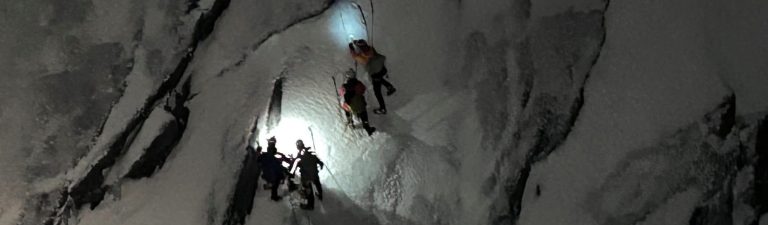
At around 8:30 p.m., we made the difficult decision to activate our PLBs. We were not fully incapacitated, but continuing could have put us in greater danger. Even after reaching the glacier, we faced a long journey to the nearest hut.
The helicopter struggled with the altitude and poor valley visibility. It flew over us at about 10 p.m. and again around 12:30 a.m. It finally reached us at around 3:30 to 4 a.m.
The rescue crew winched down and extracted us both in about 30 minutes. We were rescued around 52 hours after setting out. I later received treatment for frostbite, hypothermia, and dehydration. I am very glad we both carried a PLB and chose to use it.
Words of wisdom
Always bring a PLB, a stove that works and recognise when a self-rescue/situation is becoming unsafe.
Thank you note
We are very grateful to the ACR team that builds these great products and the people that co-ordinated the effort and those that rescued us – Otago Southland Rescue Helicopter service through HeliOtago and the Wakatipu Alpine Cliff Rescue Team.
Rescue location
Tititea / Mount Aspiring, West Coast Region 9382, New Zealand
Rescue team
Helicopter Rescue
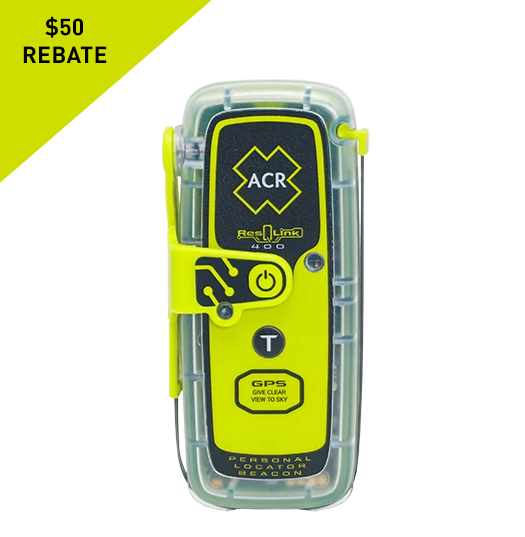
ResQLink™ 400 Personal Locator Beacon
Go to product detailsPrice range: 🇺🇸$409.95 through 🇺🇸$459.95



 5-Year ACR Warranty | Manufacturer-backed repair or replacement for covered defects. View Warranty