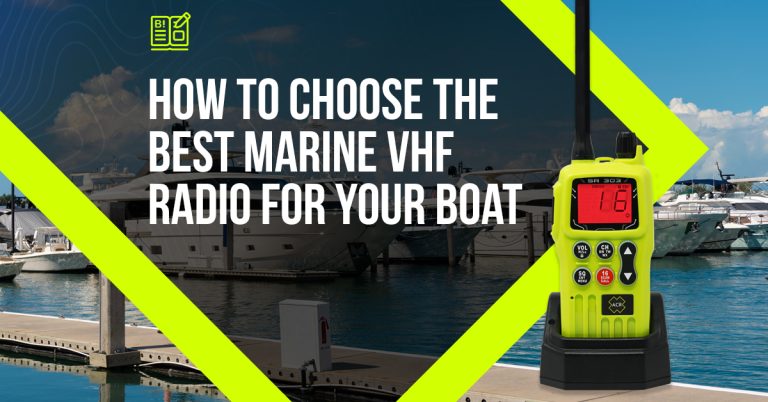
How to Choose the Best Handheld GMDSS Marine VHF Radio for your Boat
Posted on January 27, 2026
Prior to venturing out on the water, the decision on how to choose the best handheld GMDSS Marine VHF Radio is extremely important. And if you’re looking for maximum safety, especially when venturing offshore or into remote areas, a handheld GMDSS (Global Maritime Distress and Safety System) VHF radio is among the most essential pieces of equipment you can carry. Additional details on the vessels that GMDSS requirements are applicable to can be found here.
Unlike a fixed-mount radio, a handheld GMDSS marine VHF radio provides redundancy, portability, and the flexibility for use as a lifeline even if your main VHF fails or you’re separated from your vessel. But with so many options and technical features to consider, how do you pick the best one for your needs? This guide walks you through the most important factors.
1. Understand What “GMDSS Handheld” Means
A handheld GMDSS VHF radio differs from a typical recreational VHF in that it is:
- GMDSS-certified, meaning it meets specific international standards (eg. IMO) for distress and safety communications.
- Designed to operate reliably in survival-craft conditions (some models are approved for lifeboat/survival use).
If you’re outfitting a boat to meet GMDSS requirements, or simply want the highest safety standard, a certified GMDSS handheld is a smart choice.
2. Certification and Regulatory Compliance
When choosing a GMDSS handheld, make sure it carries the proper certifications:
- IMO SOLAS compliance (if required for your vessel)
- ITU-R M.489-2(10/95) or similar standards
- MED/Wheelmark (for vessels operating under EU regulations)
- Should be tested to the applicable IEC Standards
Without proper certification, you cannot claim full GMDSS compliance, so always check the model documentation.
3. Battery Life and Power Management
A handheld radio is only as good as its power source. Key considerations:
- Battery capacity: Look for a robust rechargeable battery with long life and good standby time.
- Multiple power options: Ability to power via USB, external DC, or spare battery packs helps flexibility.
- Battery status monitoring: A clear battery-level indicator gives assurance that the radio is ready when you need it most.
- Spare battery: Always carry a backup power source (such as a dedicated primary battery) if you’re using the radio for critical safety.
4. Durability & Water Resistance
Marine environments are harsh. A handheld GMDSS radio should be rugged:
- Waterproof rating: Look for IPX7 or IPX8 so the radio can handle immersion and rough sea spray.
- Shock resistance: Impact protection, rugged housing, and corrosion-resistant materials help prolong its lifespan.
5. Ease of Use and Ergonomics
In an emergency, you want your radio to be intuitive and responsive:
- Large, clearly labelled buttons, especially for power
- Simple menu structure: Straightforward navigation, even under stress
- Backlit display: Essential for night or low-light use
- Loud and clear speaker / microphone quality so you can be heard above wind and waves
- Strap or lanyard attachment: For secure holding or tethering
6. Weight and Portability
A true handheld should be light enough to carry comfortably, but heavy enough to feel robust:
- Check the weight with battery installed — you’ll probably be holding it for extended periods.
- Size matters: it should be ergonomic, with a good grip, but not so big that it becomes cumbersome.
- Consider how you carry it: a belt clip, chest strap, or lanyard can all be useful.
A handheld GMDSS marine VHF radio is a vital piece of safety equipment, whether as a primary communication tool for survival craft or a backup for your fixed VHF. Certification, especially for GMDSS compliance, is non-negotiable if you need to meet regulatory standards. By selecting a handheld model that’s rugged, easy to use, and truly GMDSS certified, you’re investing in peace of mind and safety for every journey at sea. With the right device in hand, you’ll be better prepared, more self-reliant, and ready to call for help if ever the need arises.