Des vies sauvées
1

Hiking

Forest

Weather

Challenging Terrain
Navigating a Backcountry Injury: LCL Tear and Emergency Response in NZ Wilderness
-42.9630781°S, 171.144115°E
Publié sur June 9, 2025 par Emma
Que s'est-il passé?
On the morning of June 18th, I set off on what was meant to be a memorable overnight tramp to Cedar Flat Hut on the West Coast of New Zealand, accompanied by two good friends—Anna, a seasoned tramper like me, and Fritha, who was taking on her very first overnight backcountry adventure. The rain had lashed down the day before, soaking the forest and leaving the track slick and treacherous, though the rivers remained manageable.
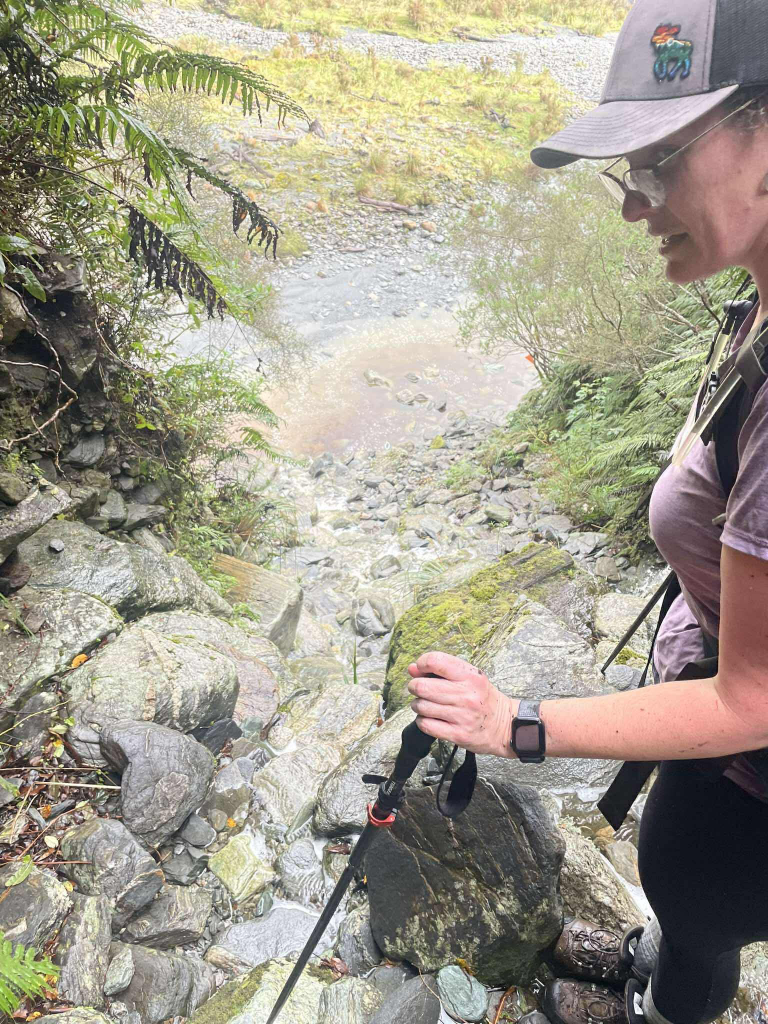
As we made our way through the soaked and slippery bush, the track had suffered from recent weather. In one section, water had eroded the rock and transformed it into a cascading series of small waterfalls. As I tried to navigate my way carefully down this challenging part of the track, I lost my footing on the wet rock. In an instant, I slipped and fell roughly two meters down one of the rocky waterfalls, landing heavily on the outside of my right knee.
The shock of the fall took my breath away. I immediately did a quick self-assessment, nights checking for broken bones, head injuries, or serious wounds. Thankfully, nothing appeared to be broken. I had a scraped knee, a bruised thigh that was already beginning to darken, and some mild swelling, but I could still move everything. With adrenaline still flowing and determination kicking in, I scrambled back up to the others. After talking it over, we agreed to continue toward the hut since we were now closer to our destination than the car.
As we walked, my knee began to ache more persistently. With each step, the discomfort grew, but I gritted my teeth and pressed on. By the time we reached Cedar Flat Hut, the pain was constant and wearing me down. I gratefully accepted some pain relief and tried to remain positive, even as my friends started to voice concerns about whether I’d be able to walk out the next morning. They gently suggested I might need to activate the personal locator beacon (PLB), but I insisted on waiting to see how things felt after some rest and stronger pain meds.
Unfortunately, that rest never came. That night was one of the most uncomfortable of my life. Every time I shifted my weight or moved my leg, sharp pain shot through my knee, jolting me awake. Sleep came only in short, broken snatches, and by morning, I knew with certainty: walking out was not an option.
After a tearful but clear-eyed conversation, we decided to activate the beacon. It was a tough call, but the right one. We were incredibly lucky to have three other women staying at the hut that night. Experienced trampers who quickly jumped in to help. They compassionately, calmly, and practically made sure I had all my gear packed and ready for evacuation. Their kindness made a frightening and stressful situation feel manageable.
The rescue helicopter arrived in record time, and the team onboard was incredibly professional and reassuring. They airlifted me to the nearest hospital, where doctors first took an X-ray and later performed an MRI. The scans confirmed what I had begun to suspect. I had torn the lateral collateral ligament (LCL) in my right knee. The injury would require 6 to 8 weeks of rest, rehabilitation, and consistent physiotherapy to fully recover.
This trip was a stark reminder of how quickly things can go wrong in the backcountry, even for experienced trampers. It also highlighted the importance of teamwork, preparation, and staying calm under pressure. I’m deeply grateful for Anna, Fritha, and the wonderful women at the hut—for their support, clear thinking, and compassion. We didn’t get the overnight adventure we had planned, but it’s one I’ll never forget.
mots de sagesse
Always have three points of sturdy contact before moving one.
merci note
Wonderful product, quick and easy to use, simple instructions. and we are so happy it worked!
Emplacement de sauvetage
Toaroha, Hokitika, Lower Whitcombe Track, West Coast 7881, New Zealand
Équipe de sauvetage
Helicopter Rescue
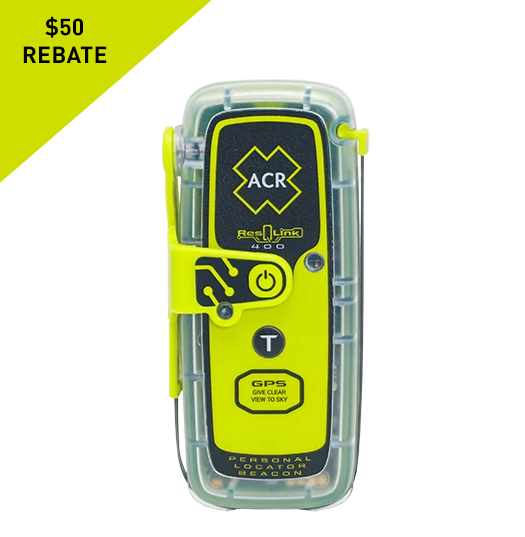
Personal Locator Beacon ResQLink™ 400
Go to product detailsFourchette de prix : de 🇺🇸$409.95 à 🇺🇸$459.95